
Maarten & Jessica Pieters

A Love Affair
The story of Atelier Pieters is not one that has only just begun, it is one told through the loupe of skills passed on over two lifetimes.
It is a celebration of well-established artisanal craftsmanship, beginning in two hemispheres and born of two distinct paths into horology. For both of us, watchmaking has always been more than construction of timepieces. Horology is a living tradition, a completely human connection that runs deeper than a sum of well-designed components. A practical craft carrying hundreds of years of ingenuity, heritage and hard-earned skills passed on across generations.
From Australia and the Netherlands our journey inevitably led us both to Switzerland. Unbeknownst to each other at the time, we were driven by the same powerful hunger to immerse ourselves in the knowledge and skills of the horological heartland. This marked the beginning of a lifelong vocation and a love affair with savoir-faire.
Throughout the over fifty-years combined that we have been practising our craft, watchmaking has always been more than just a profession; it is a way of life that borders on obsession, albeit a diverse and creative one. Since the beginning, we have both had the courage to pursue and defend our dreams in a field that deeply resonates with us on a human level; the patience, the relentless determination, the precision and the collaboration.
As a watchmaking couple, we live and breathe the world of watchmaking; it is our shared language, and it flavours every day of our lives. It is both a joy and a privilege be able to create technically complex and stunning timepieces together in our atelier home, presented now as Atelier Pieters.
Maarten Pieters
Maarten’s relationship with watchmaking began well over 30 years ago.
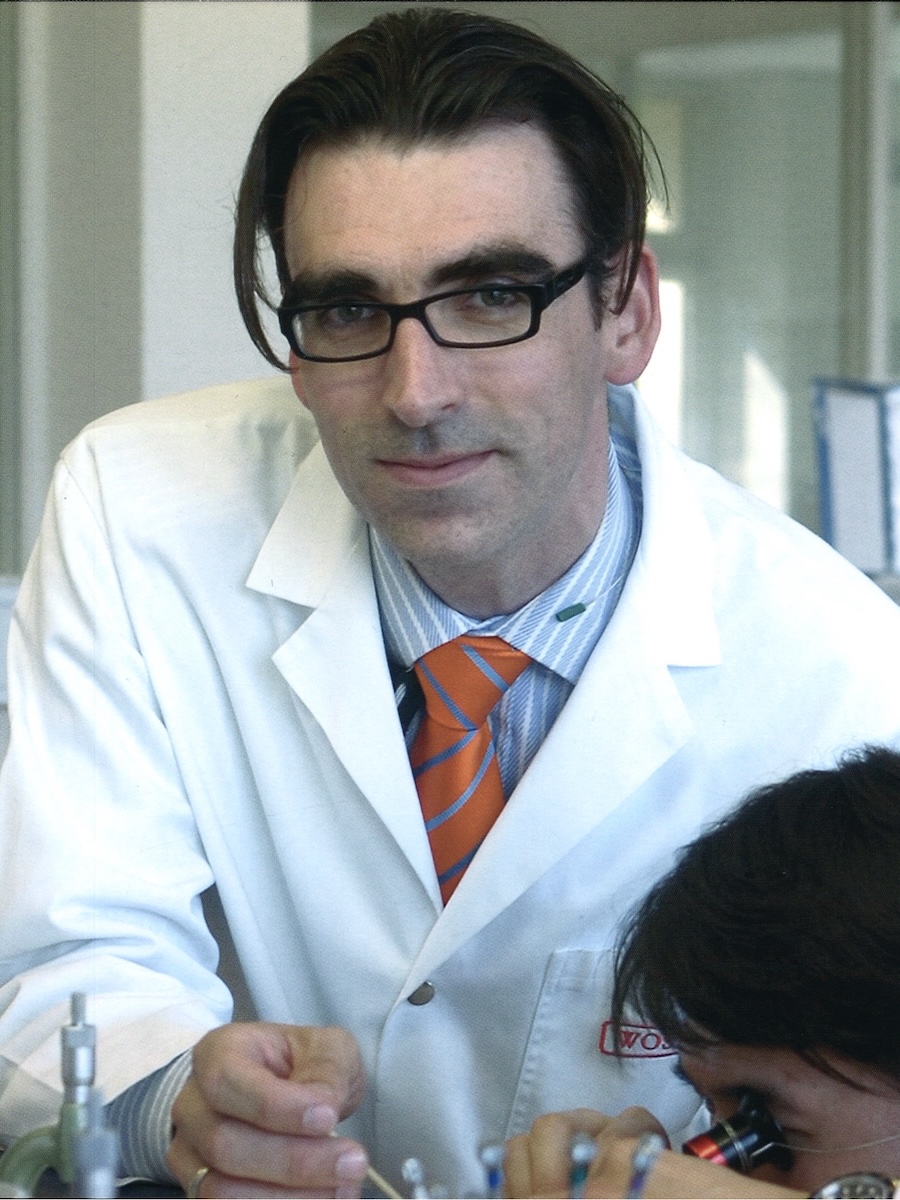
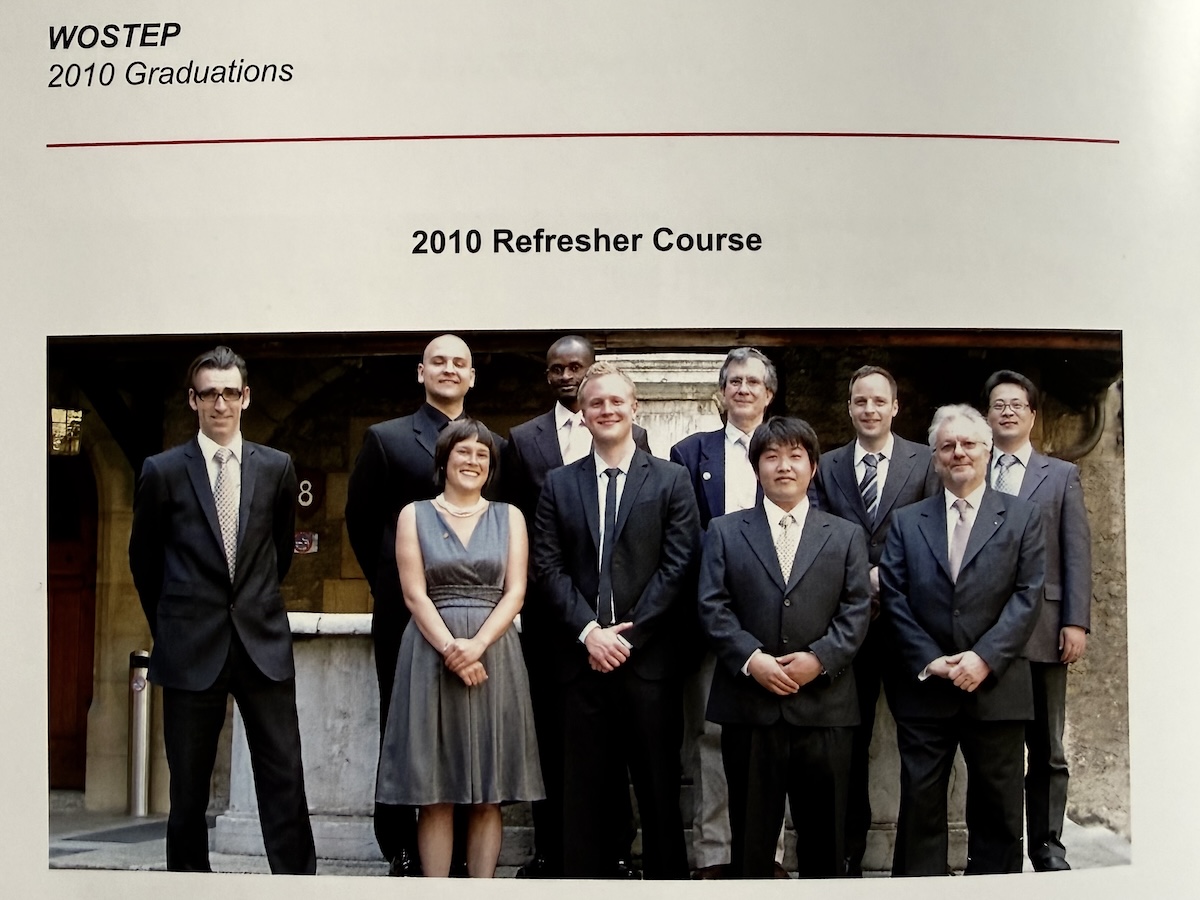
His early career took him from technical school and after sales service in the Netherlands to the traditional Swiss watchmaking world of WOSTEP in Neuchâtel as a student of the famed “Refresher Course.”
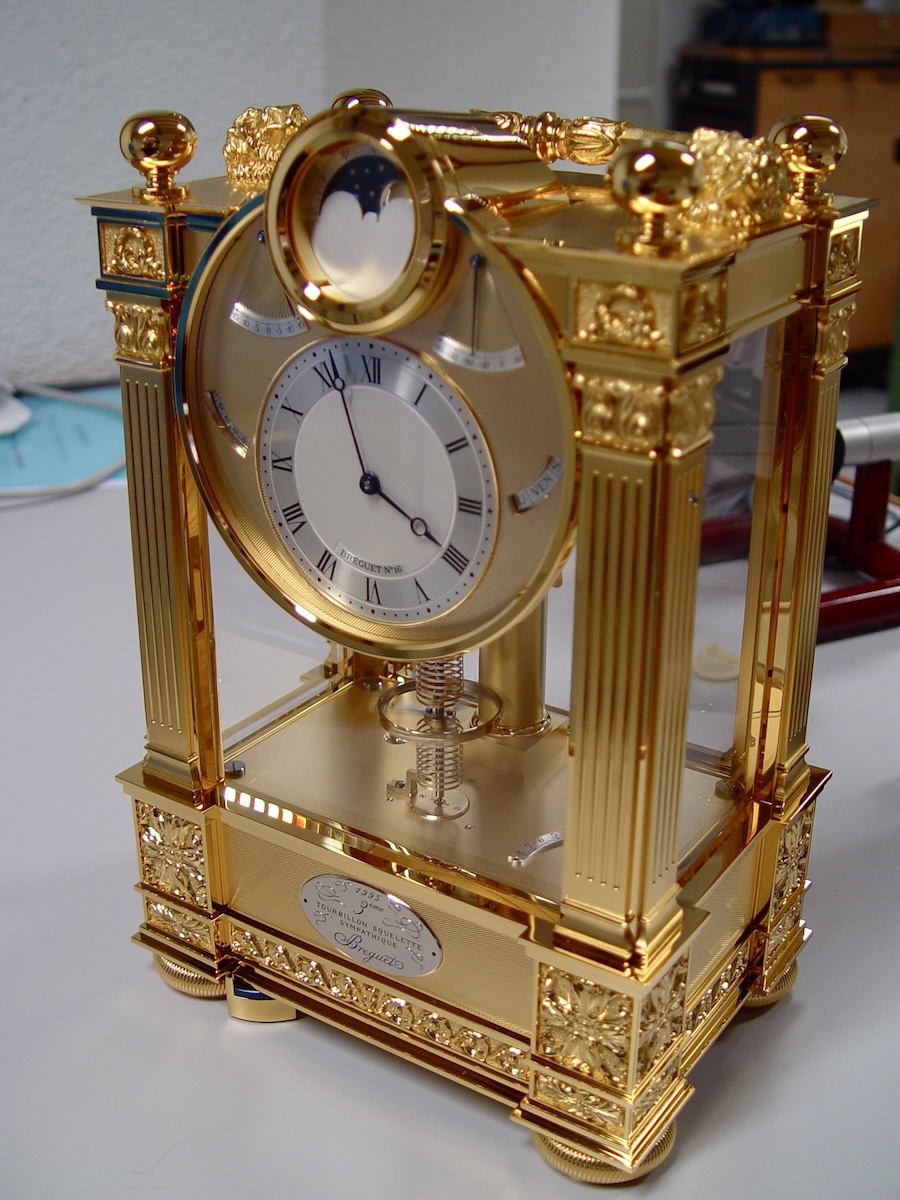
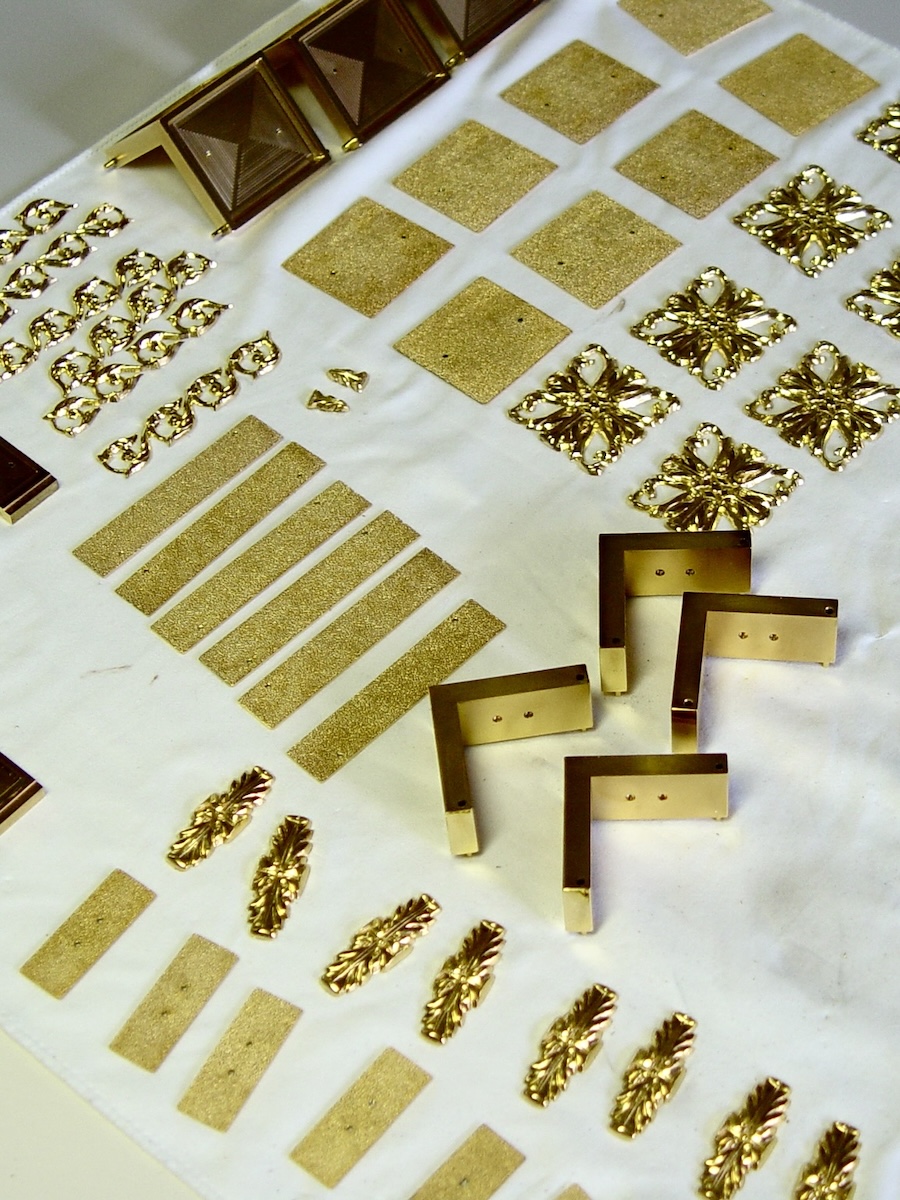
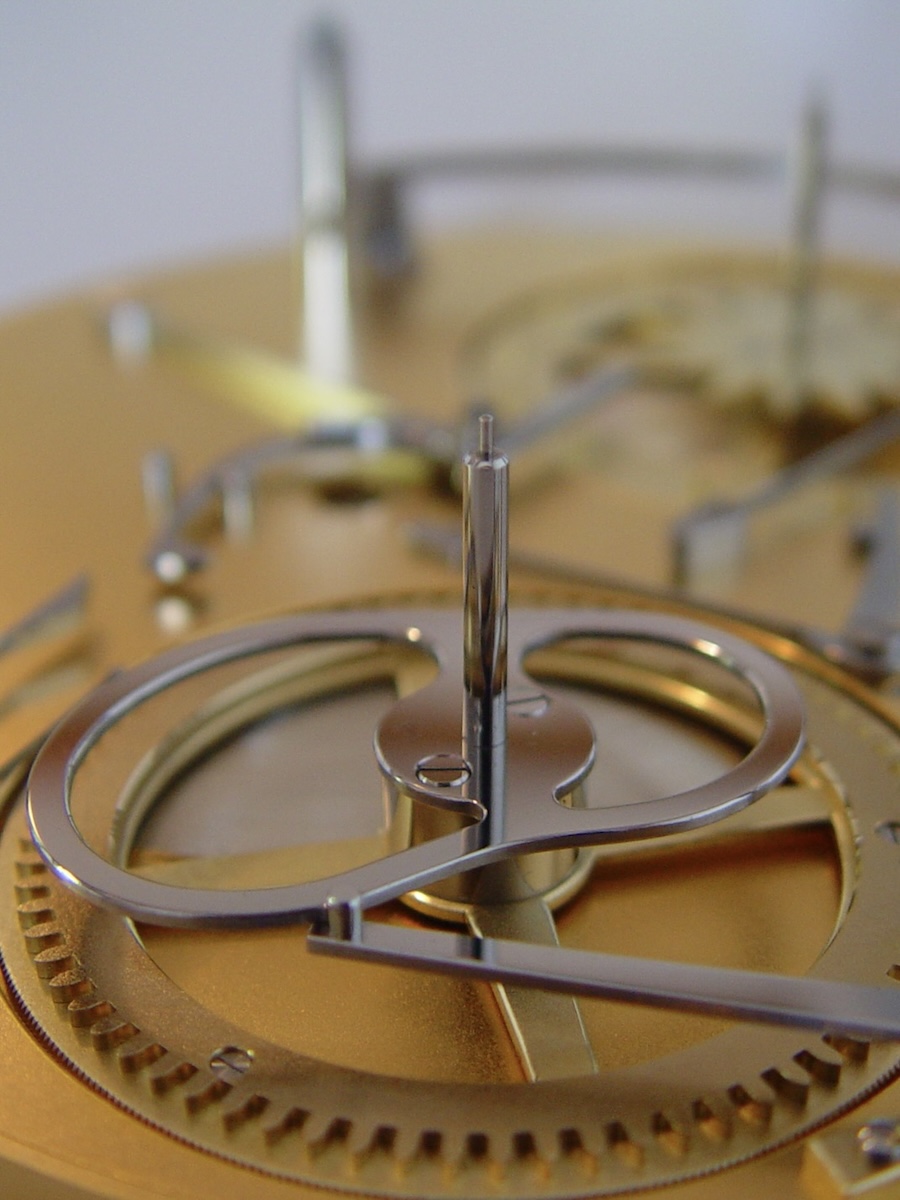
Following his WOSTEP training, Maarten dove straight into the mecca of prototyping and complications at Janvier and THA. His baptism into the mechanical culture of Sainte-Croix was led by phenomenal creators such as Nicolas Court, Vianney Halter and Denis Flageollet to name only a few. Maarten’s fascination with the artful expression of precision told through actual making was set in stone through his work on pivotal projects such as the Breguet Sympathiques. The impact of the work he did in Sainte-Croix, and the people who willing shared their savoir-faire would influence him for the rest of his career.
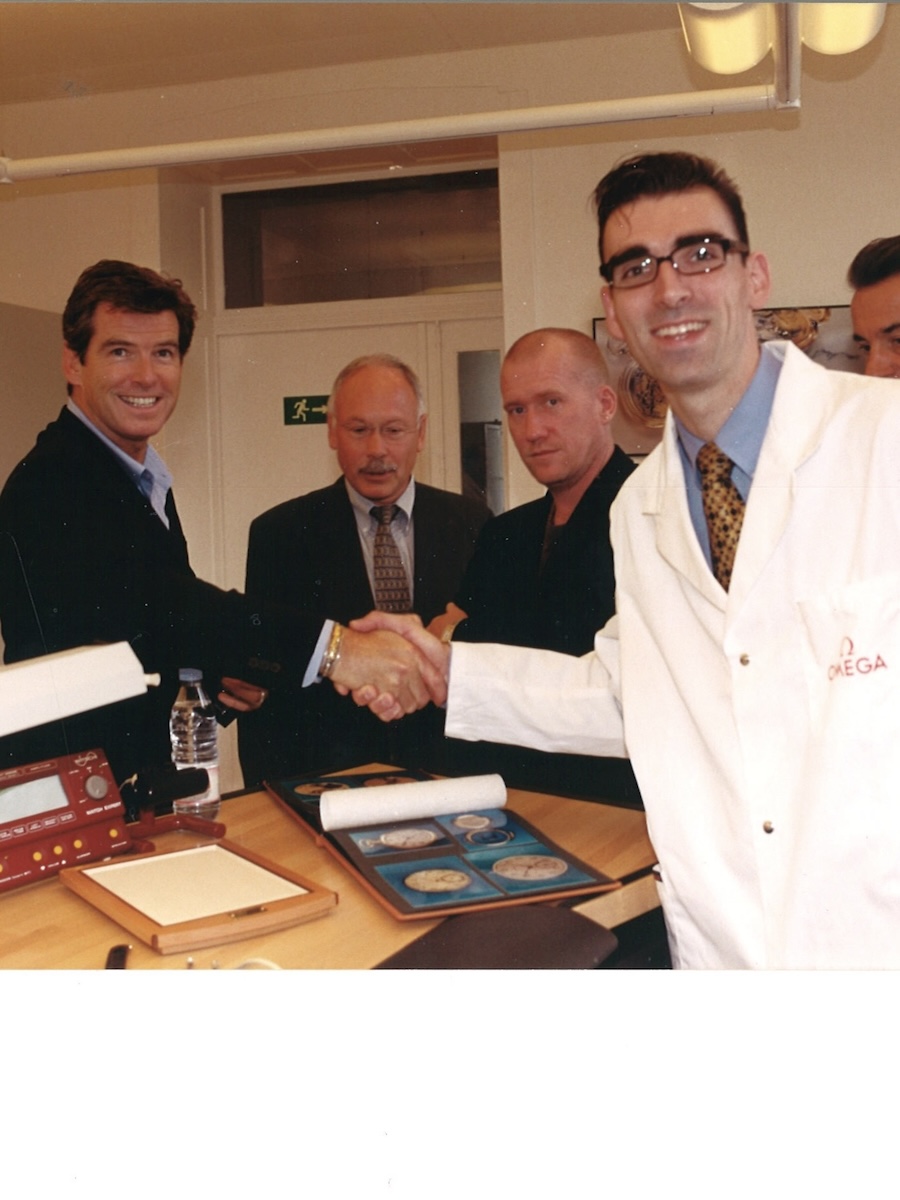
In the late 1990s, Maarten joined Omega, tasked with setting up the complications and restoration department. There he led the team and worked on reviving vintage and historical pieces. At Omega Maarten would continue his work with the Breguet Sympathiques, this time maintaining and rejuvenating the very pieces he had witnessed coming to life in Sainte-Croix. Remarkably the Breguet Sympathiques would even follow him to another chapter in his career, during his time as the Director of WOSTEP, Neuchâtel and he would remain one of the few watchmakers to have worked on both the clocks and the watches.
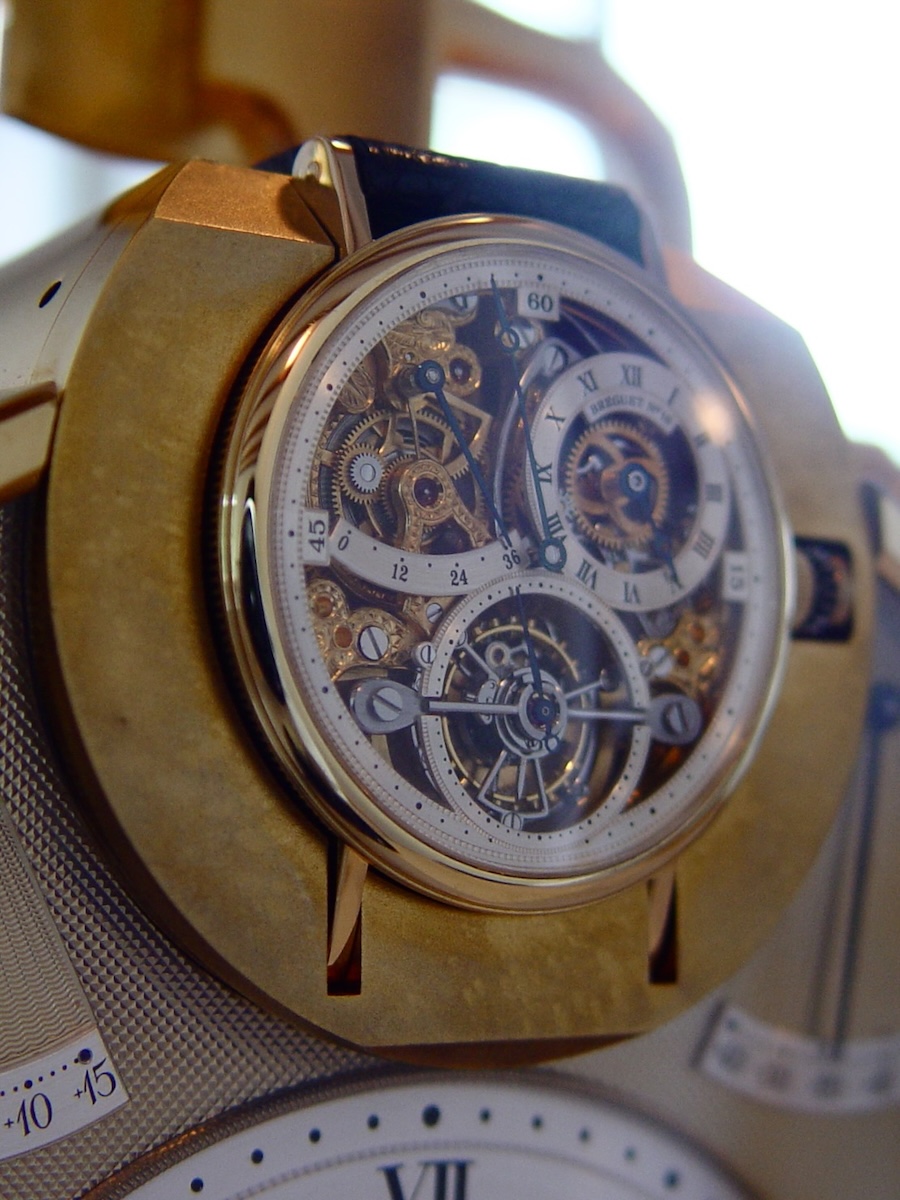
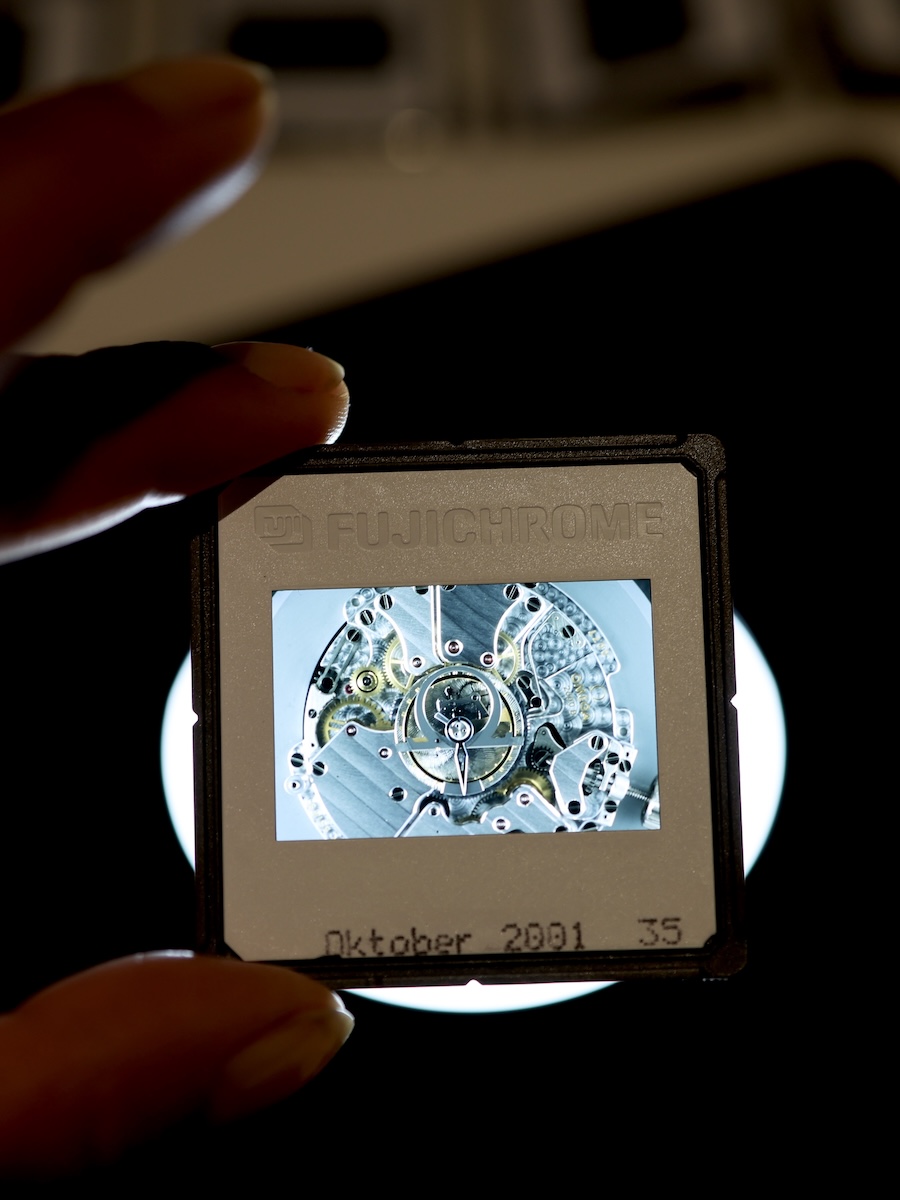
Maarten’s work at Omega brought him to the celebrated Central Tourbillon and prototyping from a different perspective of the industry. Working alongside the revered watchmaker and constructor Maurice Grimm on the development that ultimately led to the calibres’ COSC certification, it was this experience that particularly deepened his connection with the tourbillon escapement and one that would continue to resonate with him to the present day.
Although impressed by the sheer scale and extraordinary technical advancements in automated mass production, for Maarten the wonder in watchmaking remained steadfastly held in the physical expression of human skill and creativity from his beginnings.


Jessica Pieters(Thakur)
Jessica’s journey into watchmaking brought her a different perspective. Where Maarten was completely enamoured with the making, she was drawn into the lifetime of a timepiece.
As an apprentice in Australia in 2002, the first expression of her craft was in after-sales service. For Jessica, the value of a watch was never measured by its price nor its complexity. She found meaning and motivation in the significance of being entrusted with something that someone valued deeply and took the development of specialised skills as being fundamental to be deserving of that trust. For Jessica it was a profoundly emotional bond between skilled yet unseen work and a true value which extends beyond the branding, price-point or marketing campaign.
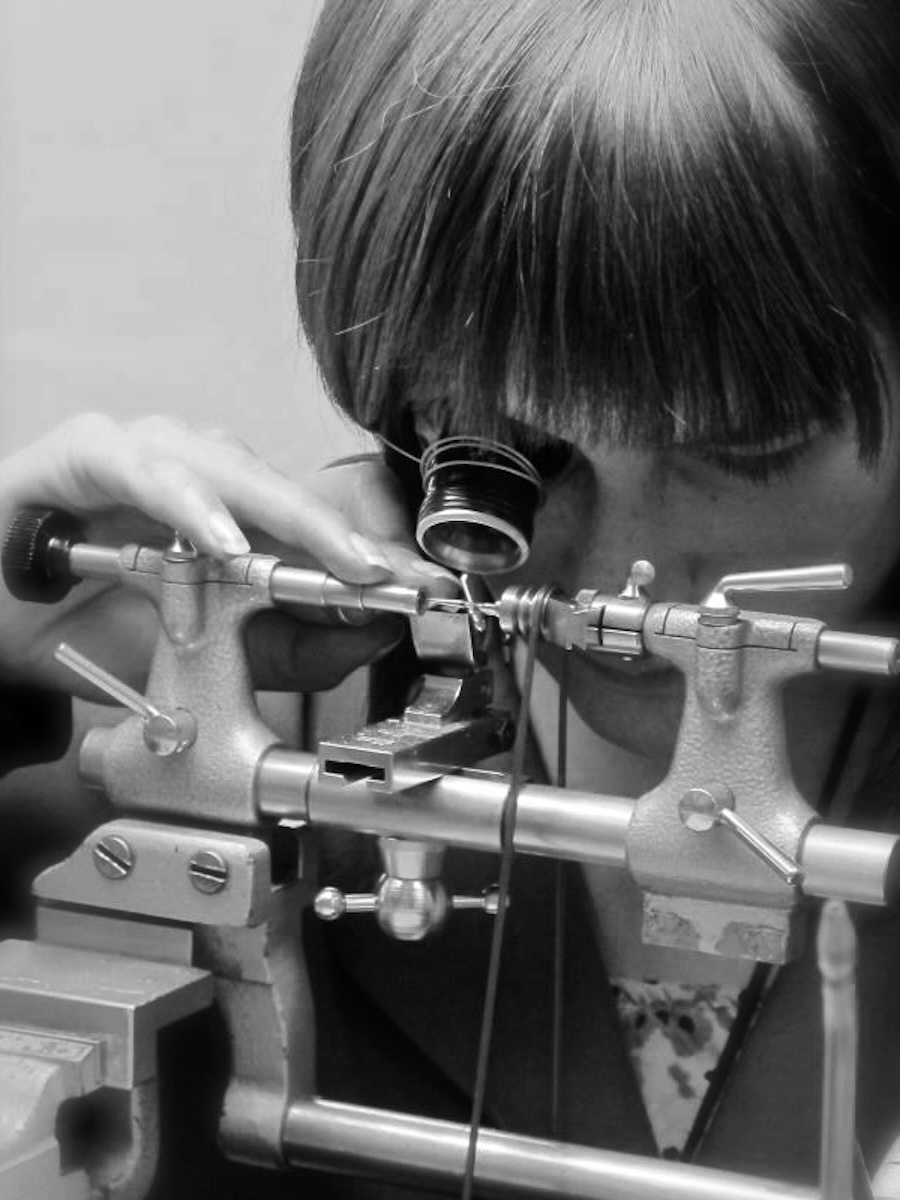
After nine years as a service watchmaker, Jessica was drawn towards another, incredibly human aspect of the profession that would become central to her life: teaching. She was drawn not only to the craft of watchmaking, but to the challenge of developing the fine skills of precision in someone else’s hands.
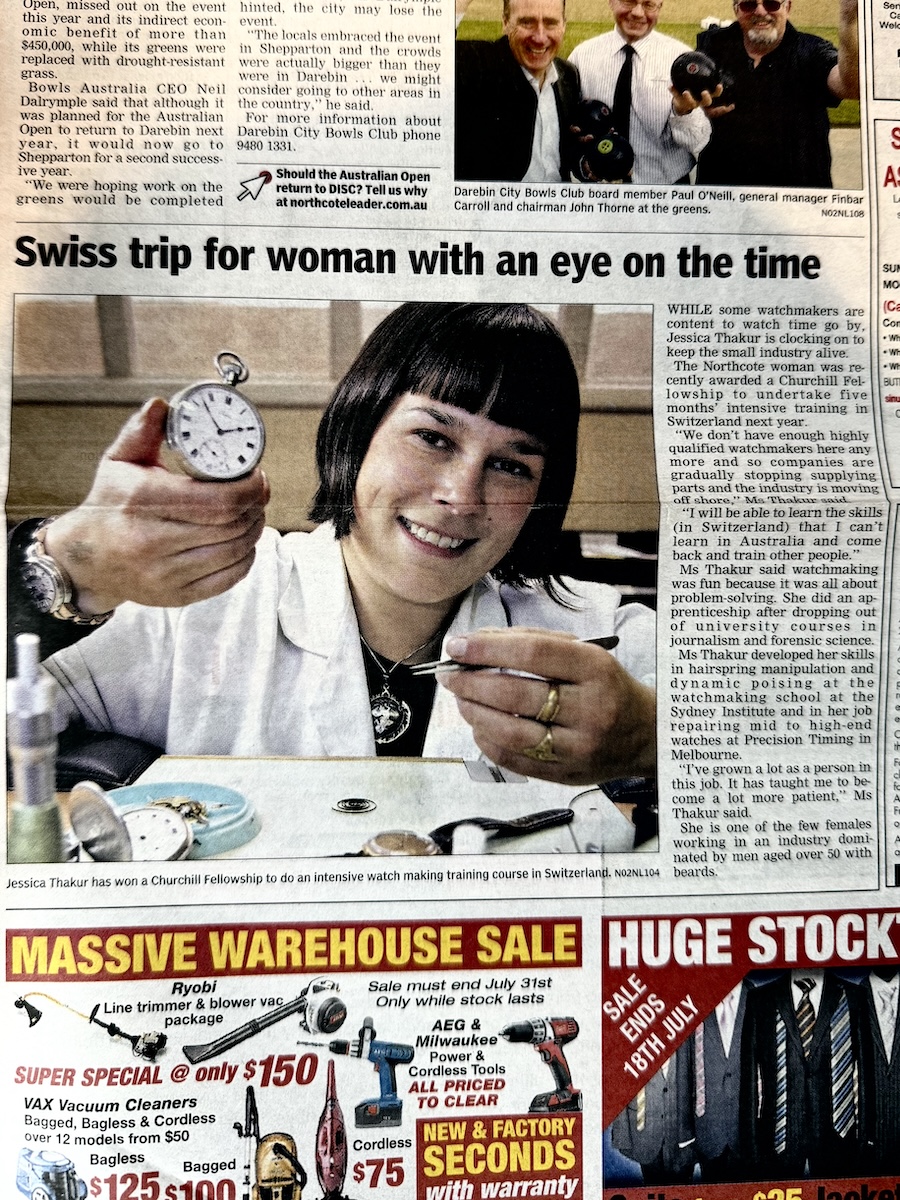
In 2010 her aptitude and commitment to the profession were recognised when she was awarded a prestigious Churchill Fellowship to undertake an intensive period of practical study at WOSTEP in Neuchâtel. For Jessica, the Fellowship provided an opportunity to study watchmaking at its source and to broaden her experience within Swiss horological tradition. The Fellowship was not simply an opportunity to advance her own technical knowledge; it became a bridge towards the role she would ultimately make her own — taking the knowledge she had acquired and finding ways to pass it on to others.
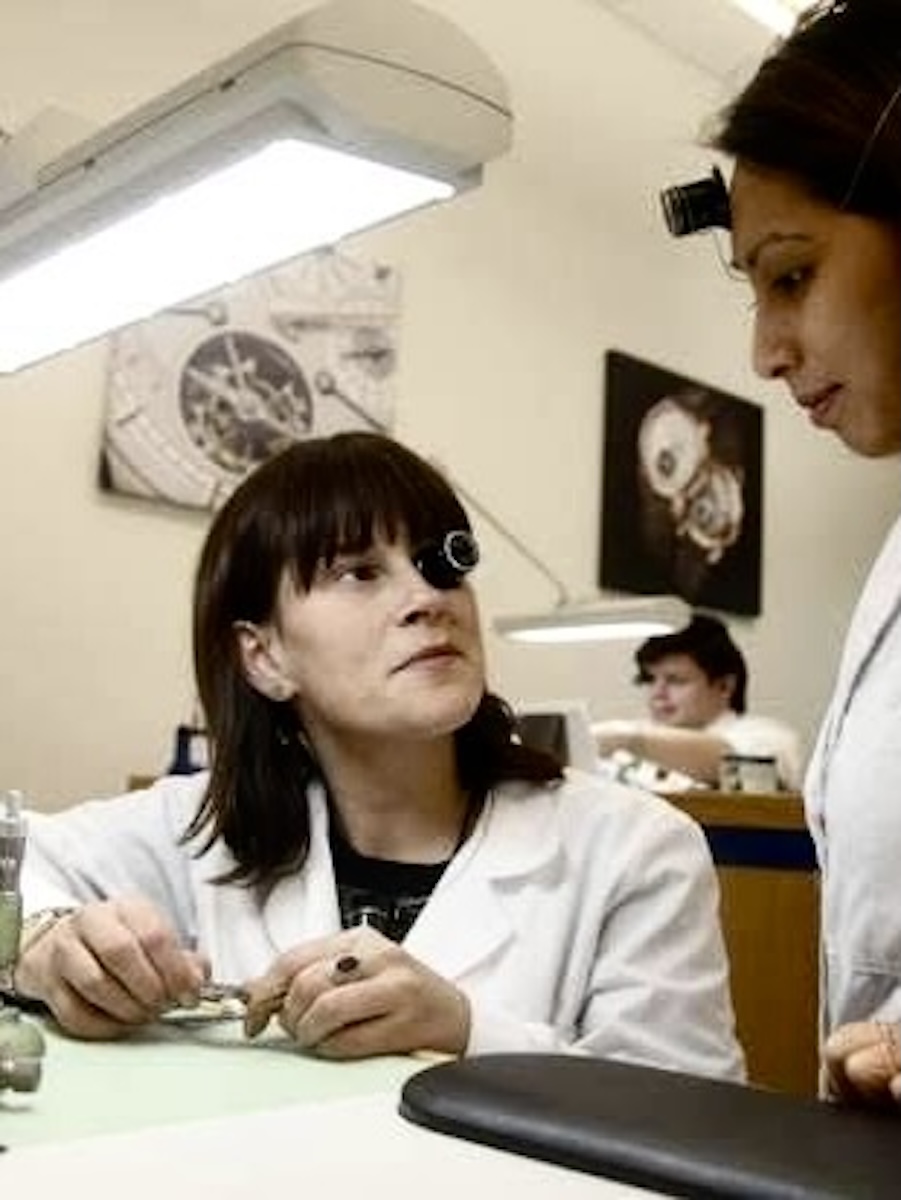
In 2011, the first teaching position took Jessica to Dallas, Texas, and the WOSTEP-Richemont partnership school. Working alongside Stanley McMahan, whose meticulous approach left a lasting impression, Jessica developed a particular interest not only in teaching but in developing the tools, documentation and structures that allow practical watchmaking knowledge to be imparted effectively and continue to span generations.
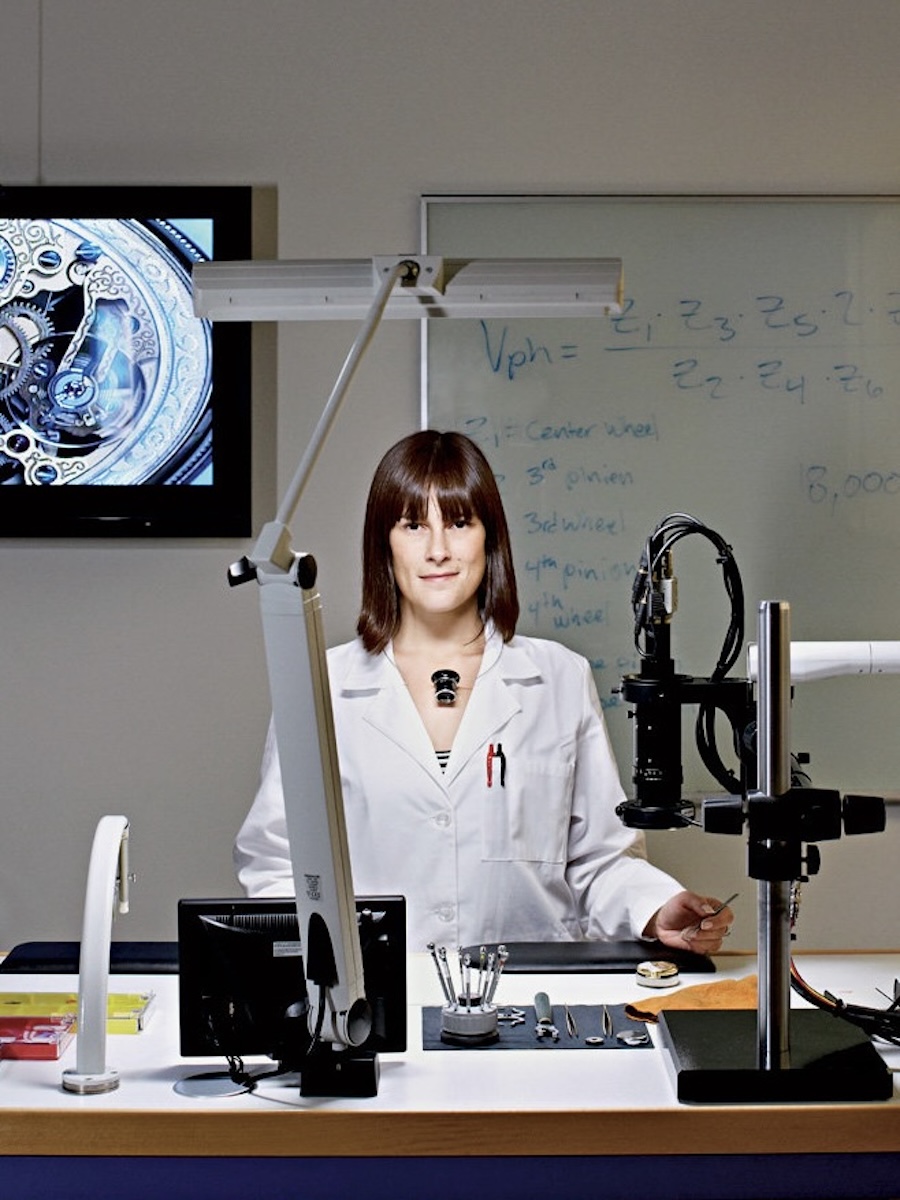
Eventually returning to WOSTEP in Neuchâtel as an instructor, Jessica then stepped into a management role which she held for five years, leading projects centred around curricula, criteria, assessments and WOSTEP certifications around the world.
WOSTEP
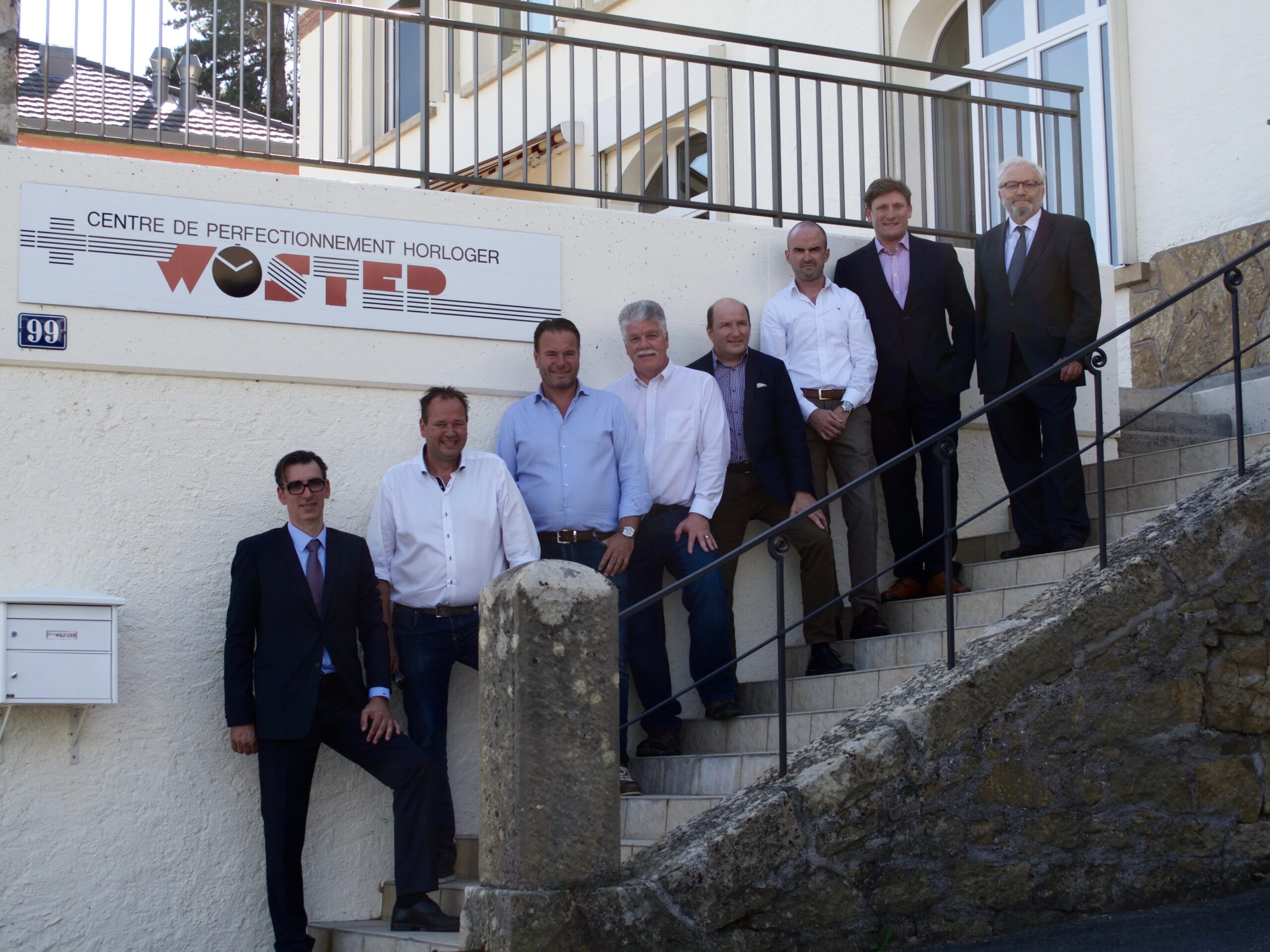
Maarten joined WOSTEP in 2002 as Assistant Director and subsequently held the Director position for fifteen years from 2003 to 2018. Jessica joined the WOSTEP teaching and management team in 2013. Between them, they were fully committed to the education of watchmakers, this was the thread that finally wove them together.
At this time, WOSTEP was more than a workplace. It was an international community where generations of watchmakers, teachers and independent makers earned skills and shared knowledge. For Maarten and Jessica, it meant years spent travelling the world, teaching and certifying watchmakers and carrying the knowledge and culture of traditional watchmaking with them.
Throughout his tenure, Maarten championed comprehensive watchmaking and micromechanical education, both in Switzerland and throughout WOSTEP’s international partnership schools, his perspective, due to the manner in which his skills were passed on to him, deviated from the prevailing industry view of providing somewhat restricted training solely for after sales service needs.
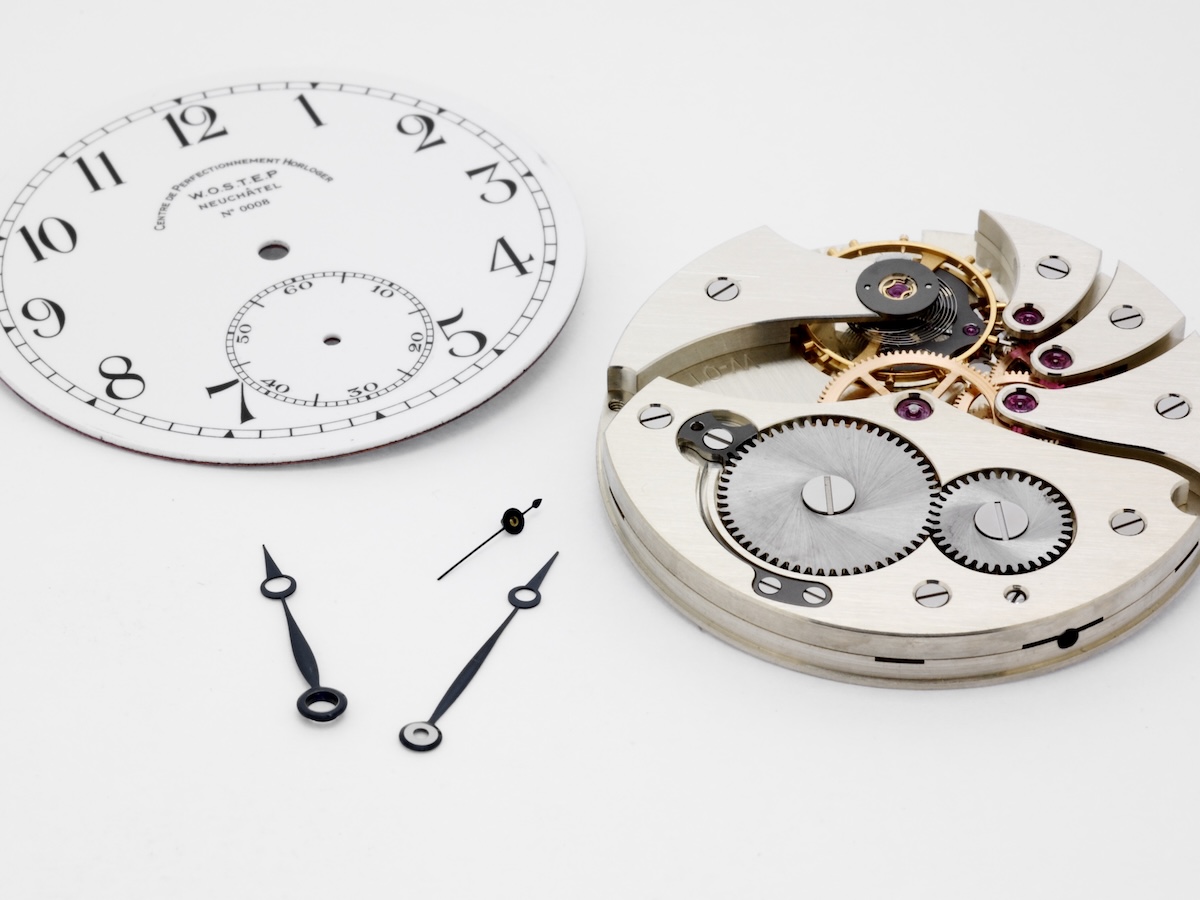
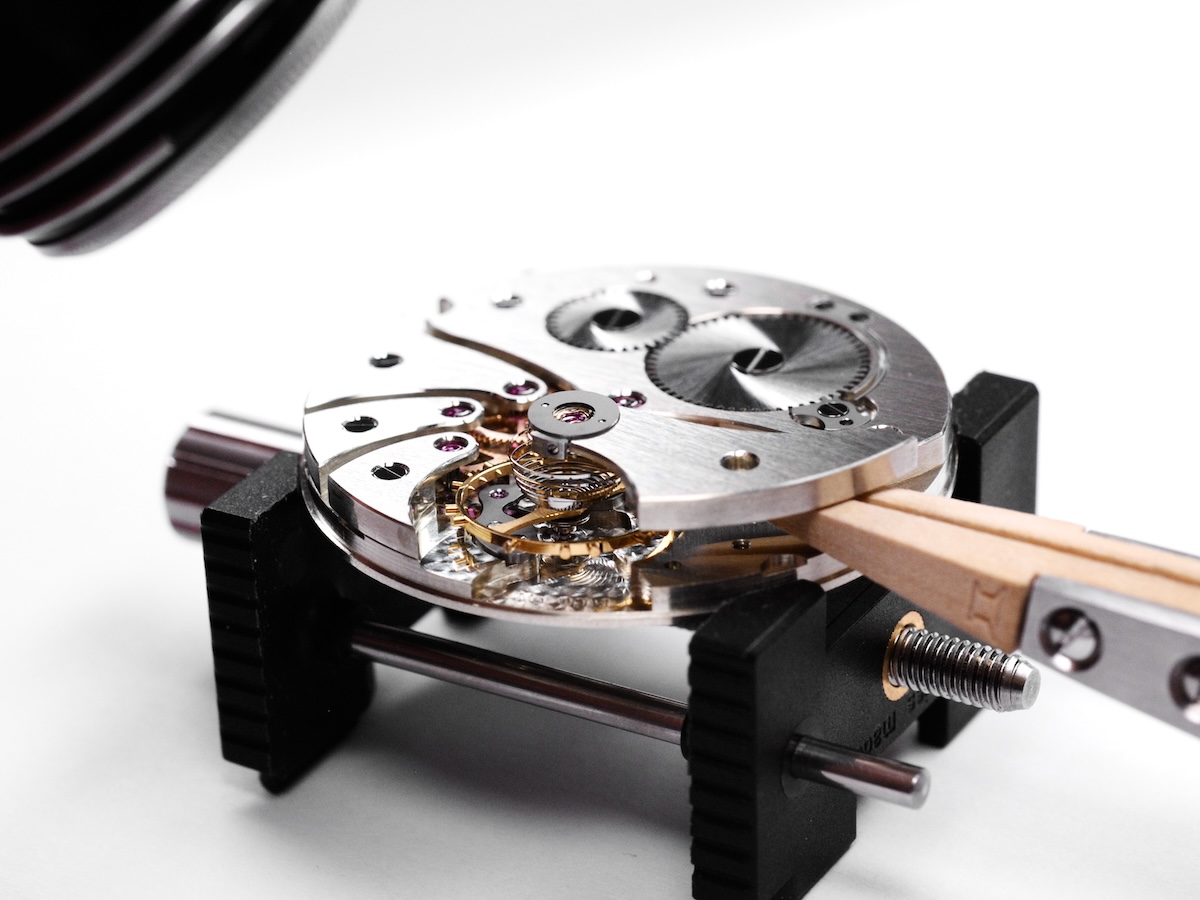
W-01 School Watch
One project that was integral to Maarten’s philosophy as Director was the introduction of the WOSTEP W-01 school watch.
Launched for WOSTEP students both in Switzerland and worldwide, the project asked students not simply to pass examinations, but to put their developing and hard-earned skills into practice by making something tangible.
For Maarten, the W-01 school watch was a fundamental part of watchmaking education and something embodying the experience of watchmaking. A personal and physical record of the time and effort invested by each WOSTEP student and the dedication of the teachers behind them.
At WOSTEP both Maarten and Jessica worked to serve a common philosophy, that skills become meaningful when they are put to use. Every watchmaking student deserves a complete educational foundation, one that is not dictated solely by what the industry considers relevant at any given moment. Times change and products evolve, but at a certain level, timepieces are certain to outlast their makers. Who, then, will be their caretakers? And who will be the next generation of creators?
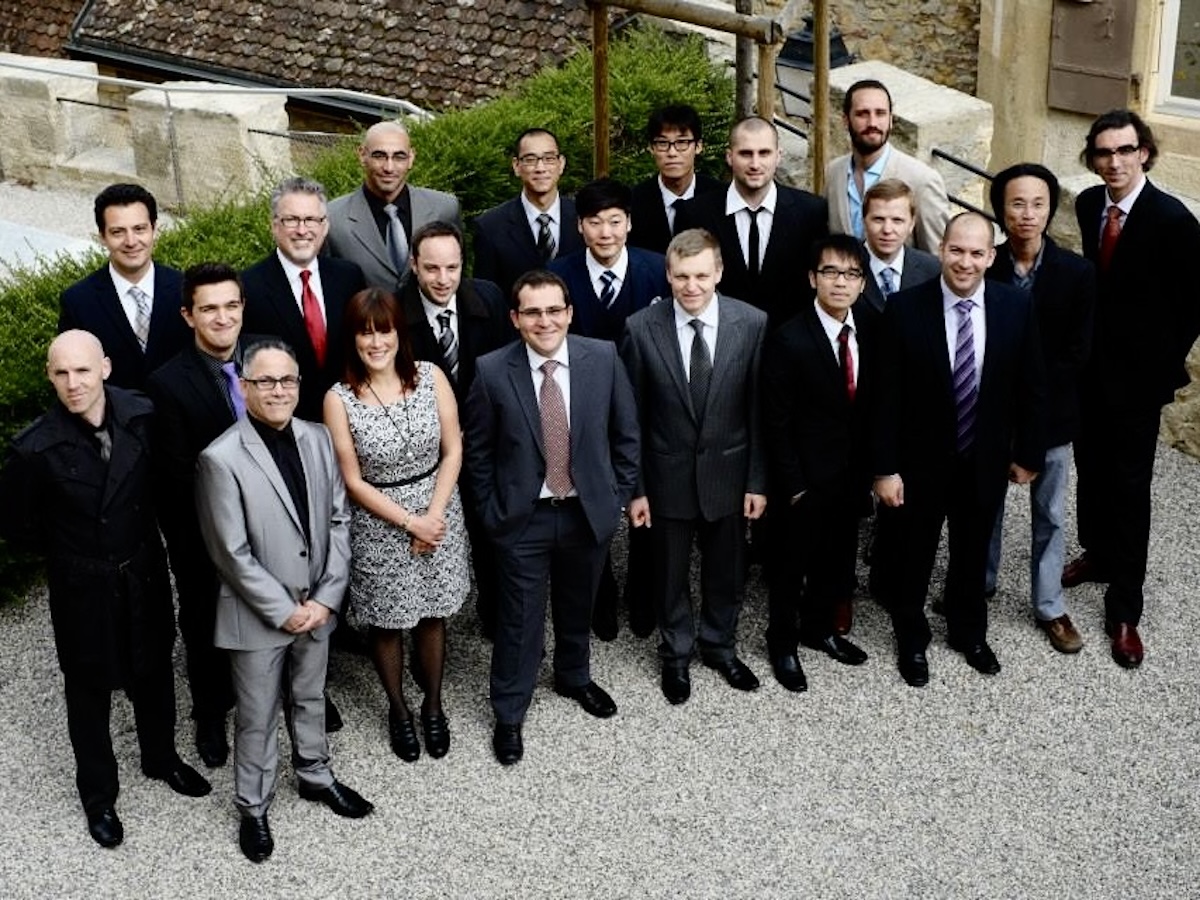
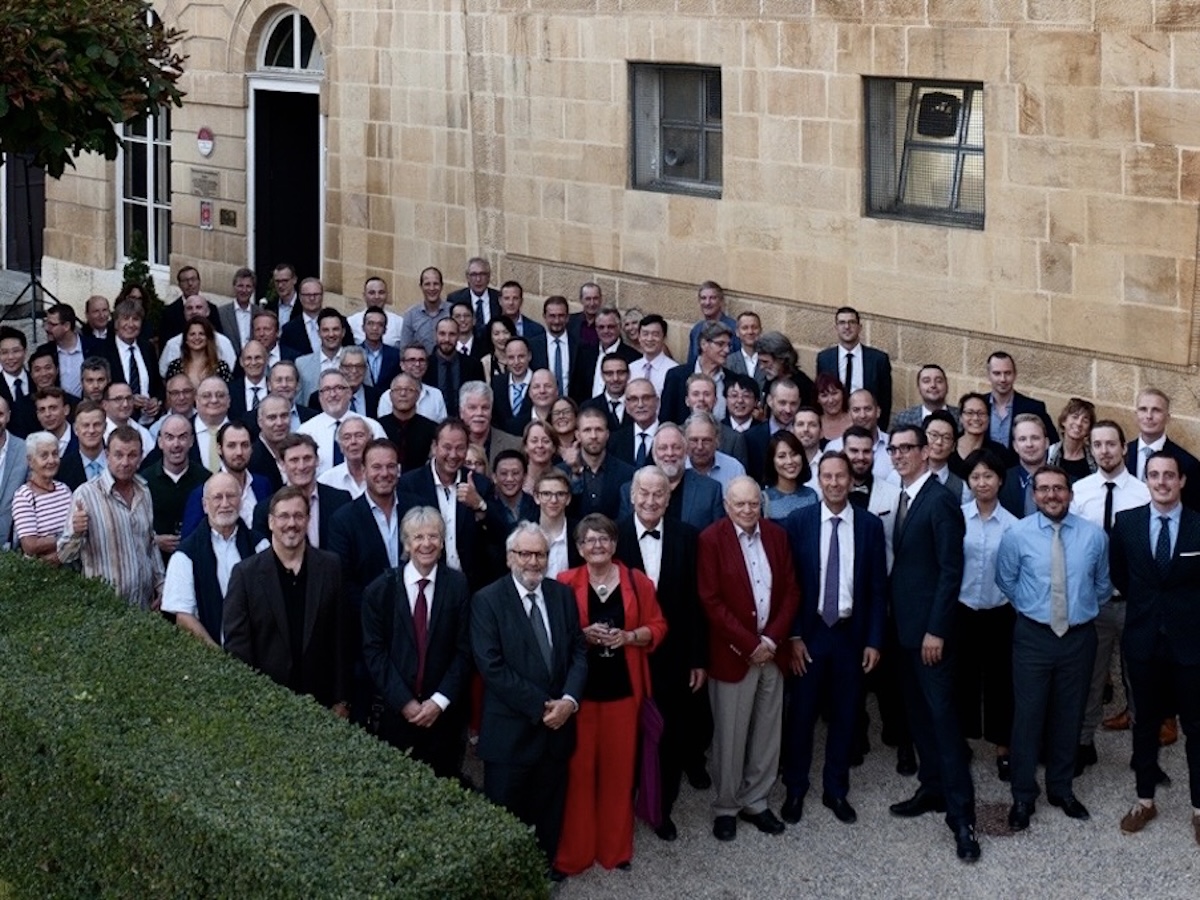
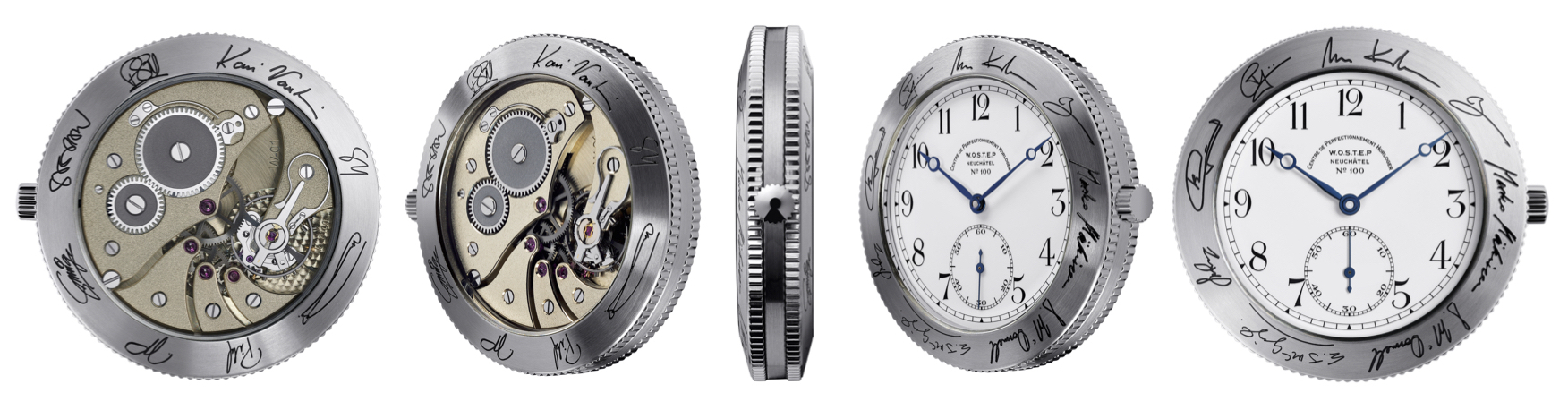
The WOSTEP W-01 School Watch N°100 later became part of the 2017 Only Watch charity auction, representing a remarkable group of WOSTEP alumni, teachers and independent watchmakers and raising money for a good cause. It remains the only official occasion that a WOSTEP W-01 School Watch was made available to the public.
W-02 School Watch
The success of the W-01 led to another idea.
The watch industry and their clientele were becoming increasingly fascinated by complex mechanical watches, particularly through the work of pioneering independent watchmakers who were pushing traditional techniques and finishing in new directions and to incredible quality standards.
Maarten wanted to create a unique educational project: the WOSTEP W-02 Tourbillon School Watch.
The intention was not simply to expose students to a tourbillon, but to give advanced students an opportunity to immerse themselves in the demands of chronometry and the construction, adjustment and assembly of the highly complex escapement in a functional piece.
The W-02, 18’000vph 2-minute tourbillon prototype (not shown) was officially presented to the public at WOSTEP’s 50th anniversary in 2016, in the company of many of the watchmakers who had helped define the independent horological landscape of the period.
Unfortunately, the W-02 Tourbillon project was never fully realised and soon after, in 2018 Maarten and Jessica left WOSTEP.
The concept of providing highly specialised training on sophisticated products, however, did not disappear…
time2 Sàrl
In 2019, Maarten and Jessica officially established their company time2 sàrl.
Beginning as a continuation of the work that had occupied much of their professional lives: time2 was conceived to provide services in consulting, prototyping, specialised training and the development of practical watchmaking education and related supports. The first clients of time2 were mainly Swiss brands looking to broaden their international after-sales service training.
It was at this time, in Les Hauts-Geneveys that the lineage of the T2 (standing for time2) calibres truly began.
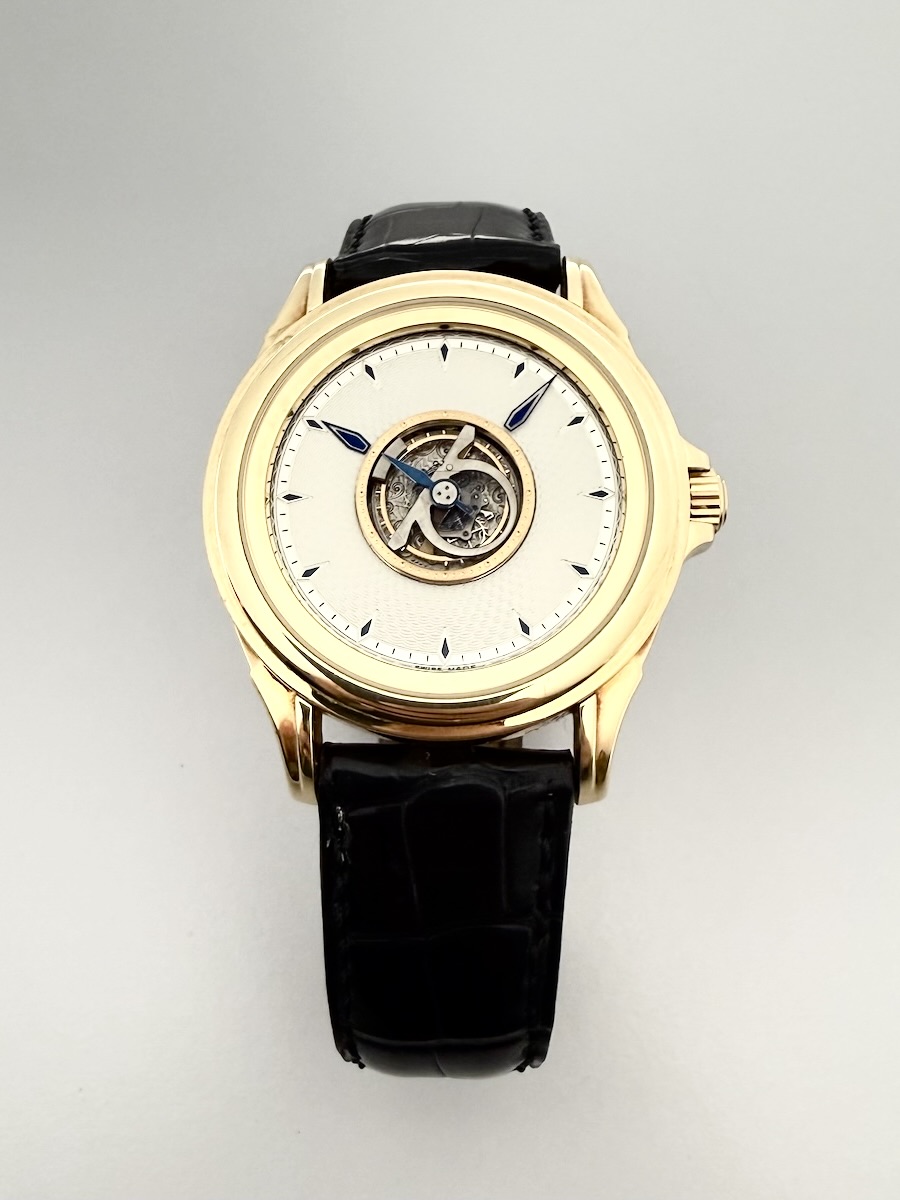
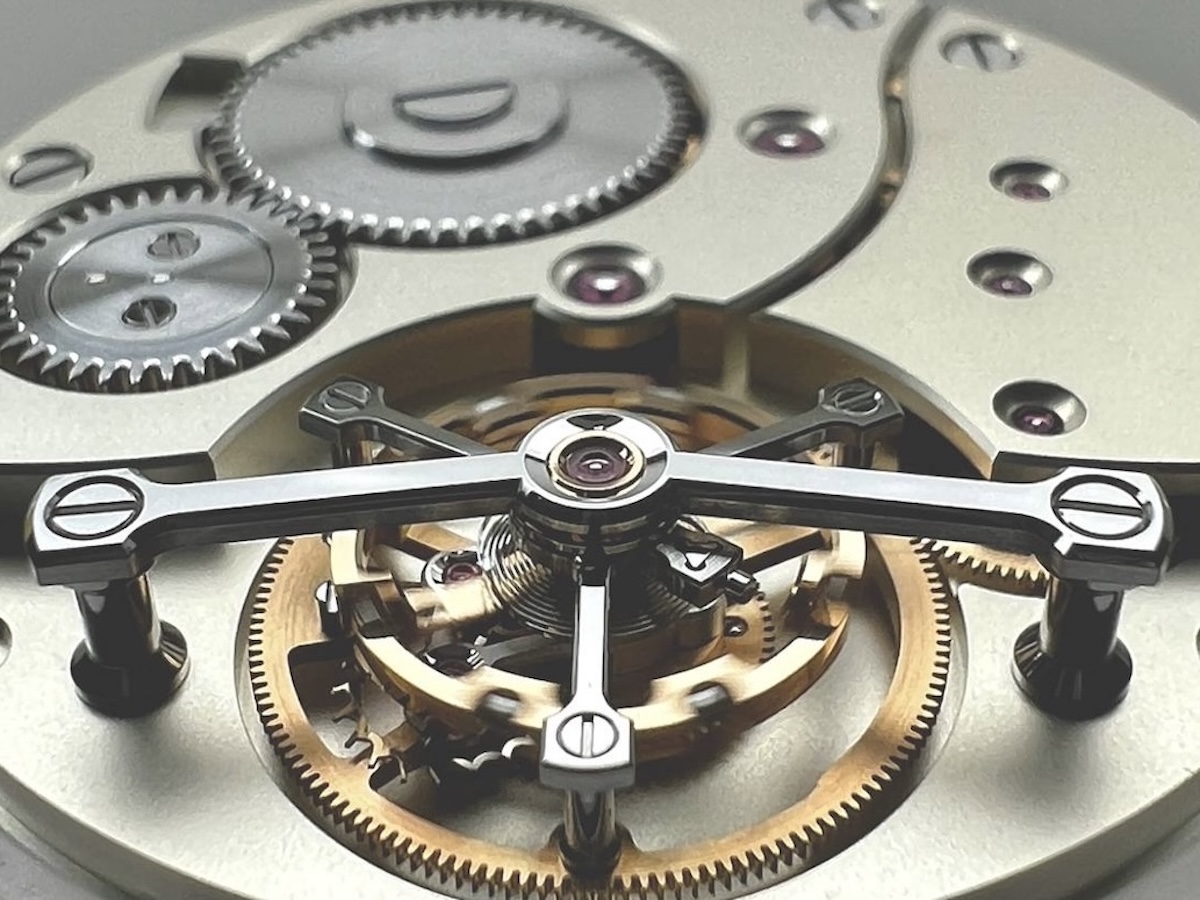
Maarten and Jessica developed three significant projects at this time: the T2-01 manual-winding calibre, the T2-03 tourbillon training calibre (as pictured above center), and a large-format detent tourbillon escapement project amongst a plethora of micro-mechanical and watchmaking training concepts for watchmaking schools.
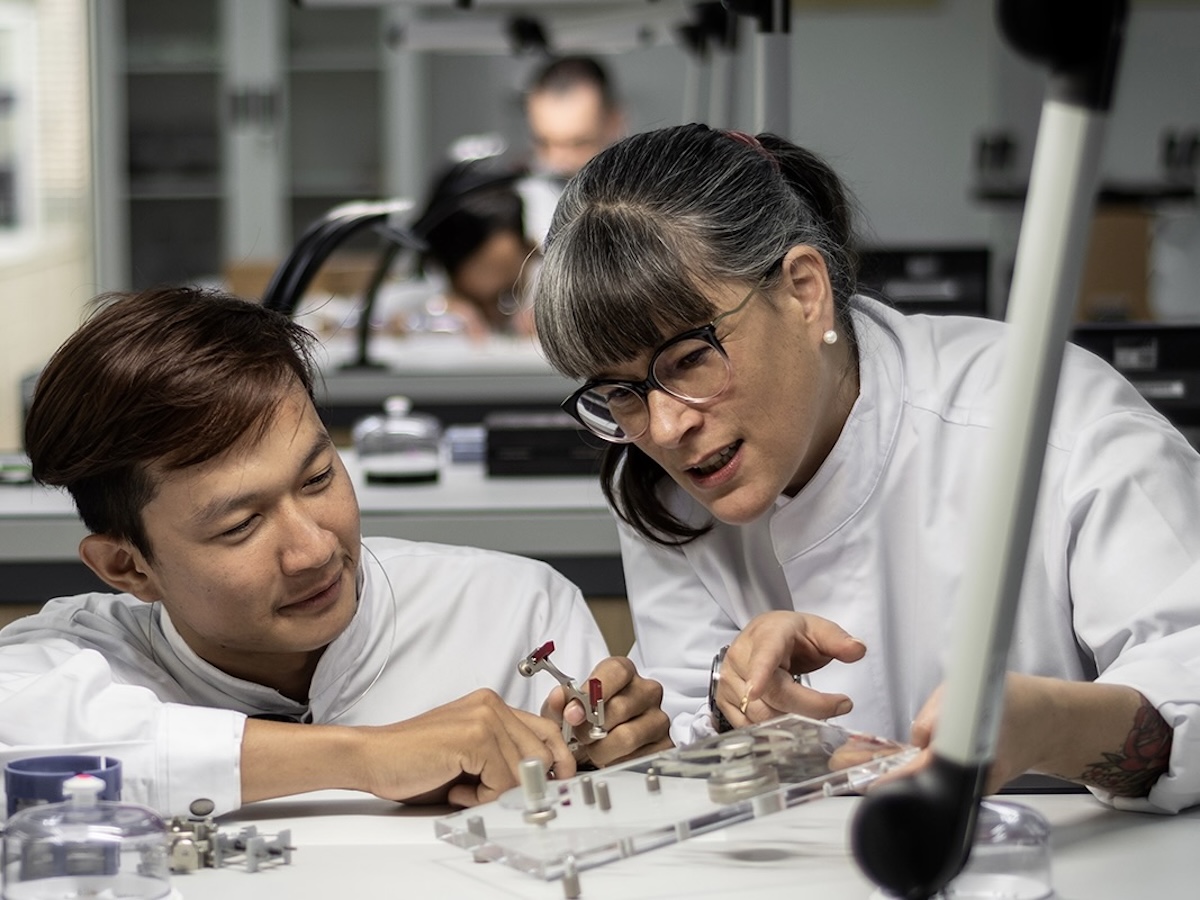
At the time, these projects were not created as commercial pieces, rather as unique and highly specialised training tools for understanding, teaching and craft, where students could work directly on the mechanisms themselves, in some cases making the components rather than merely observing them or studying the theory.
While they were busy building their new company in Switzerland, Maarten and Jessica were approached with an unusual proposition: to establish a traditional Swiss watchmaking training center in Cambodia.
The project would become the Prince Horology Vocational Training Center in Phnom Penh
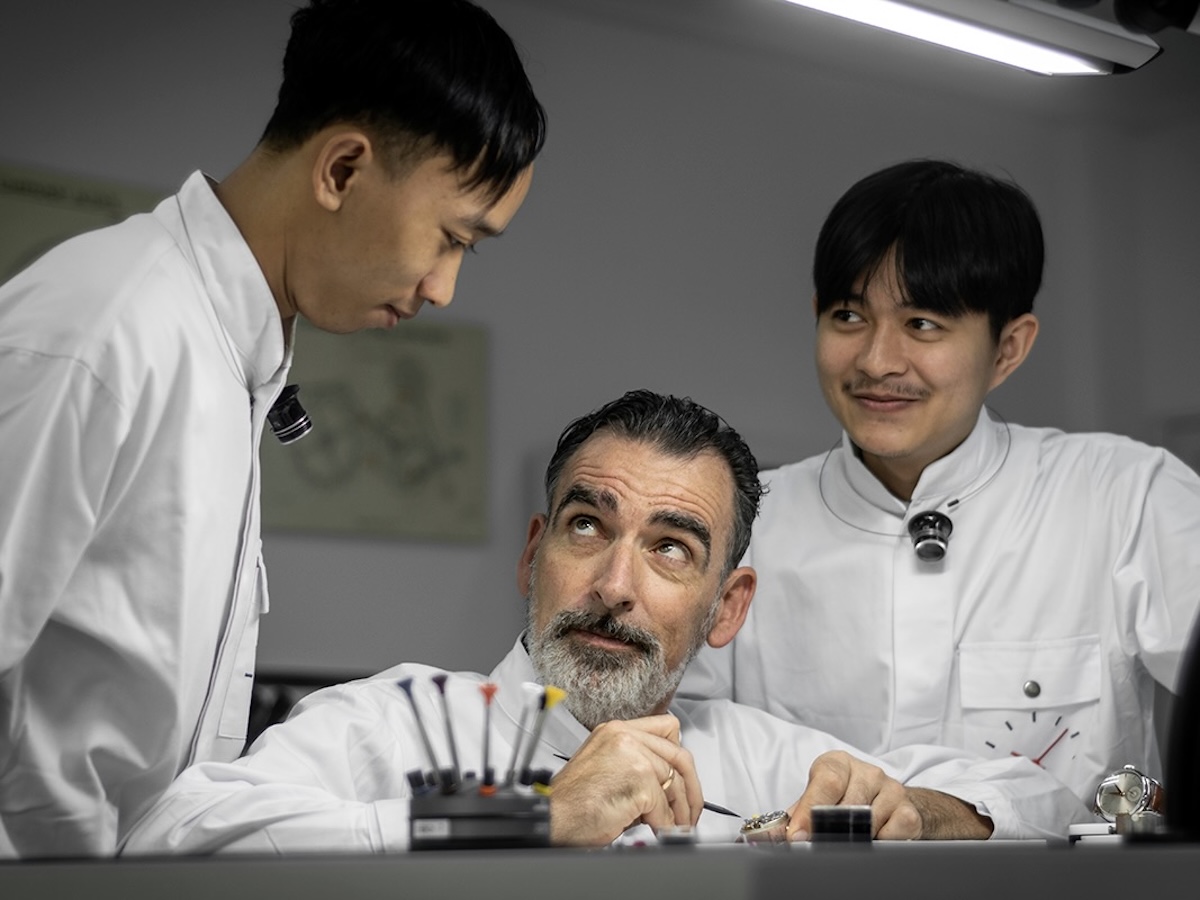
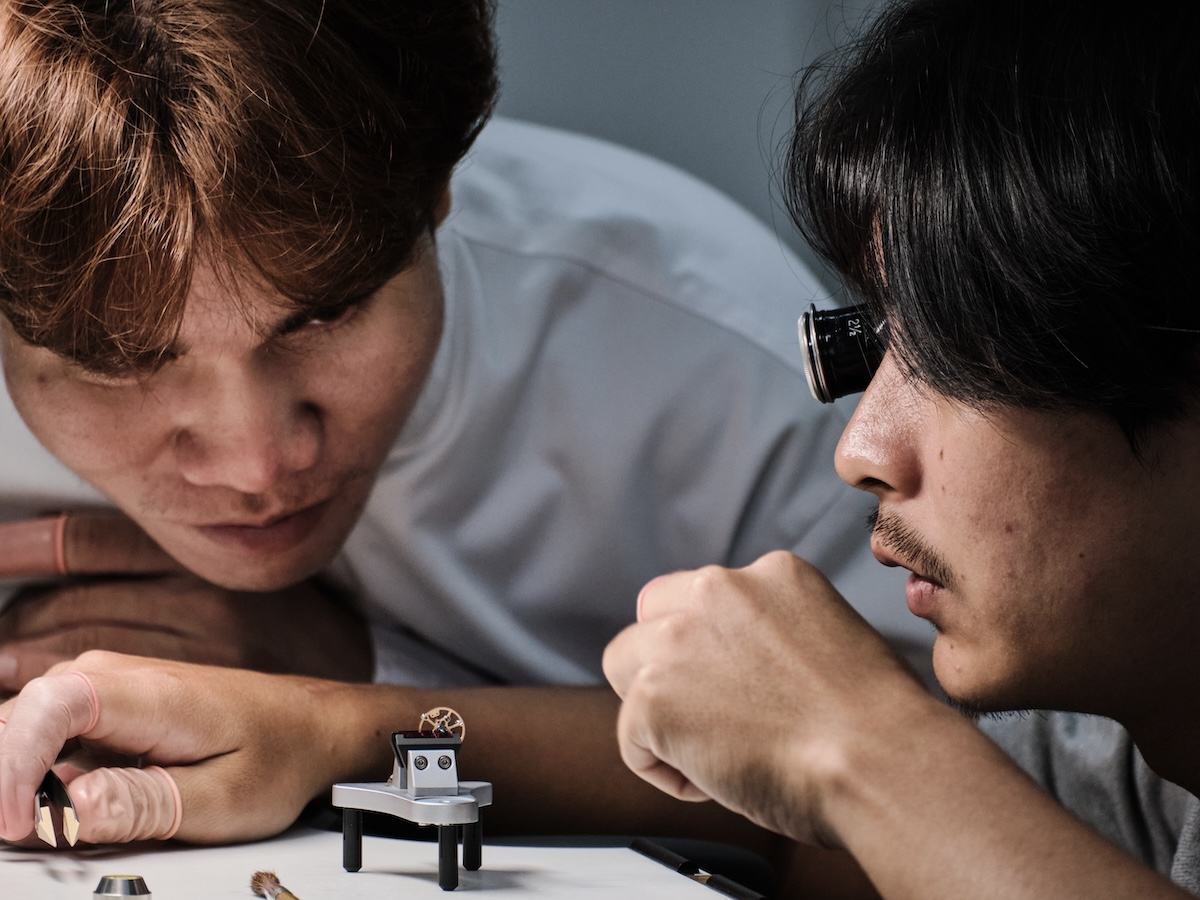
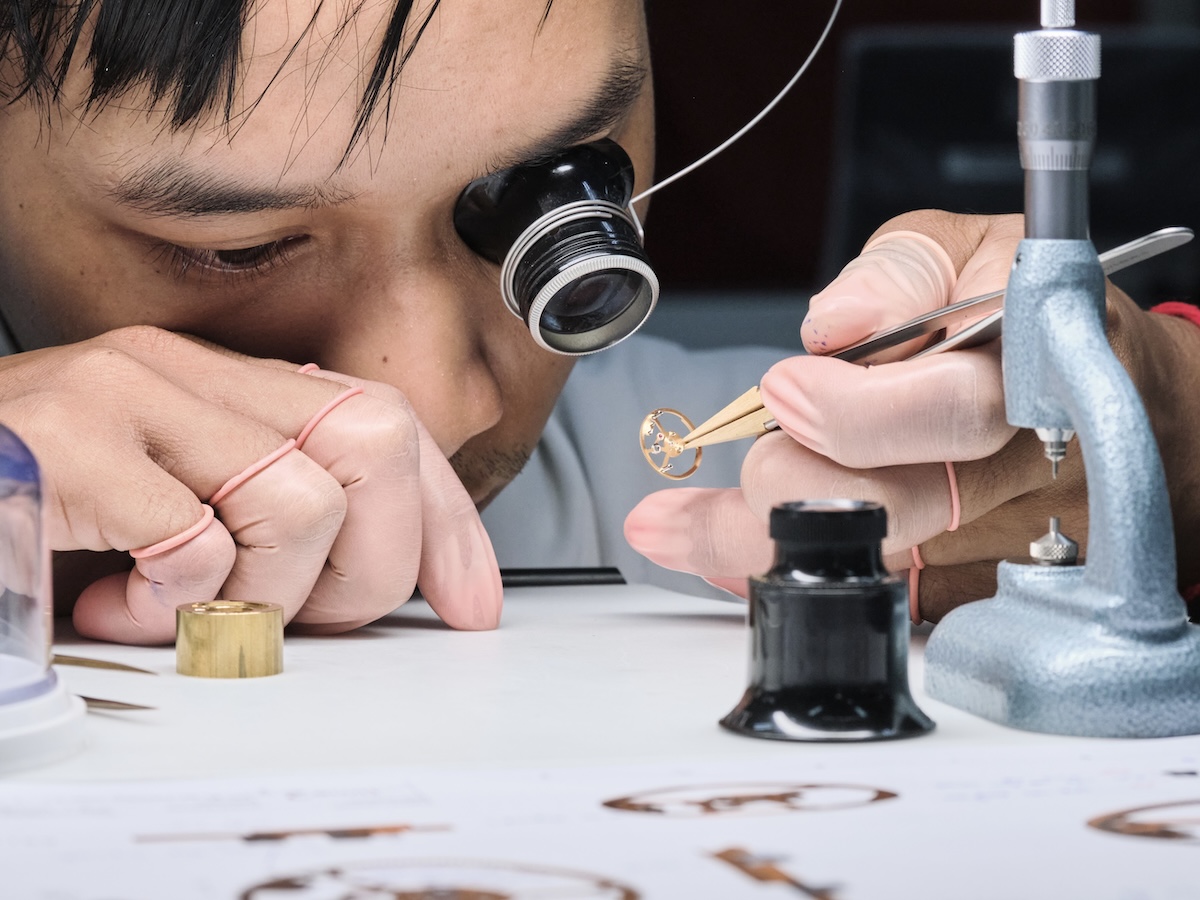
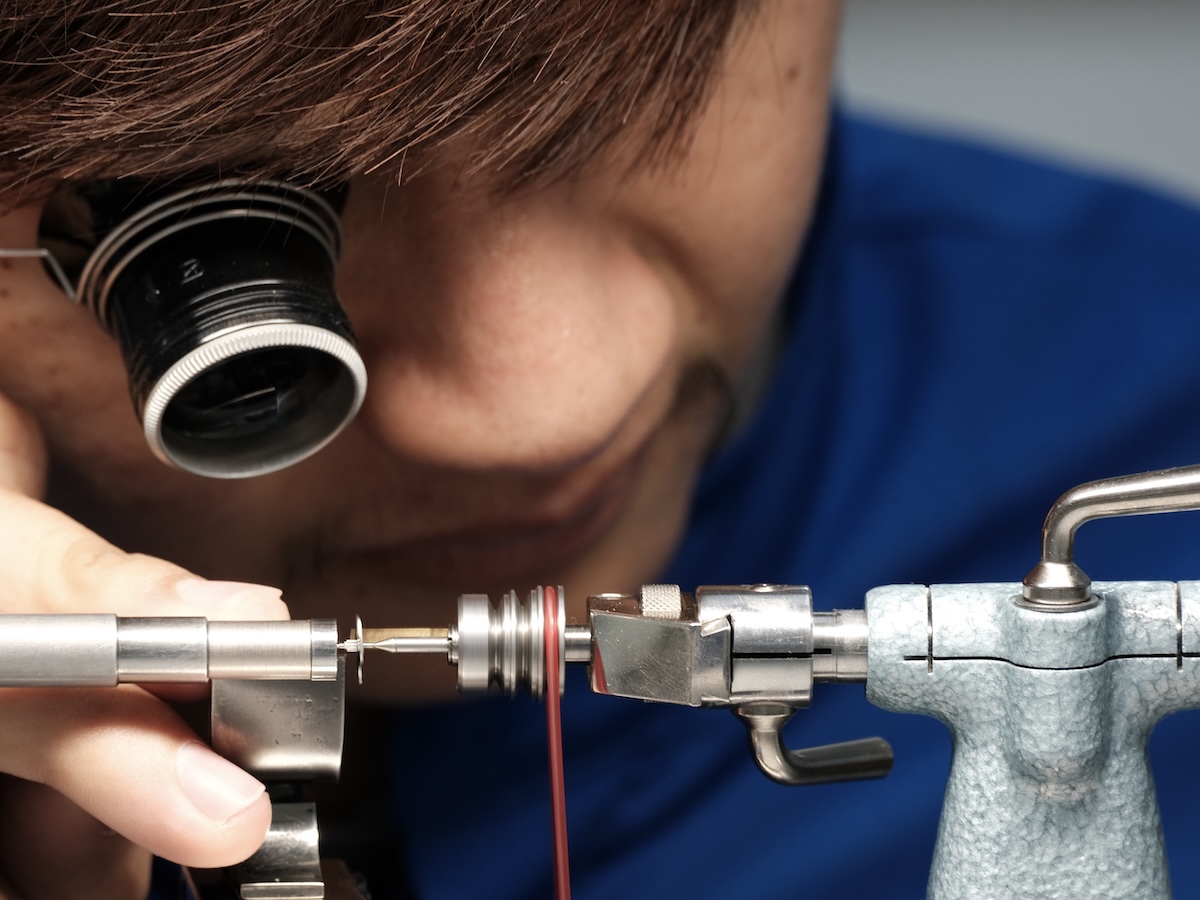
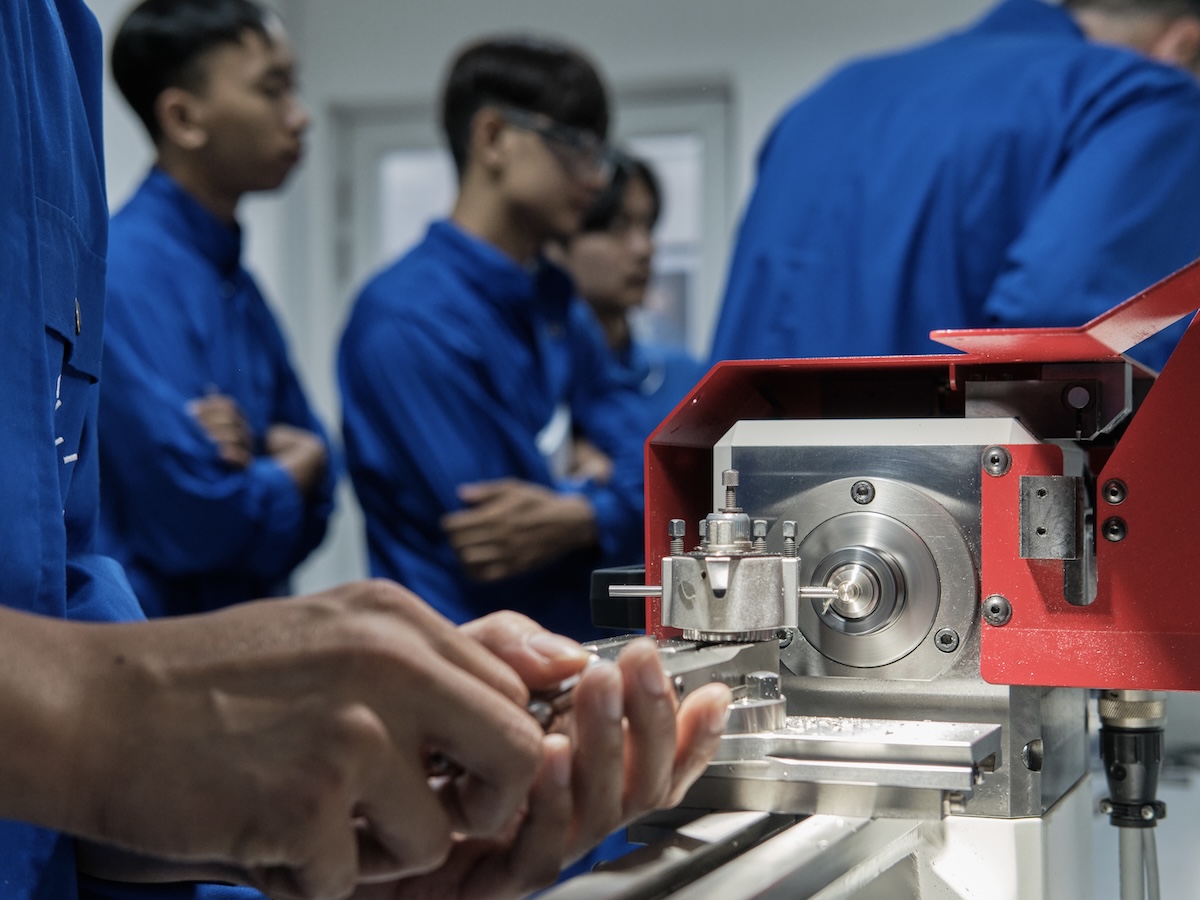
Together, they were tasked with establishing the school in terms of set-up, recruitment, developing the curriculum, assessments and creating the supporting educational material. Equipment and savoir-faire all imported from Switzerland and the program was structured around the depth and discipline of traditional Swiss watchmaking education, including manually manufacturing balance staffs, winding stems, pinions and gears to precision timing adjustments and encasing.
For five years, and withstanding a worldwide pandemic, Switzerland and Phnom Penh became two parts of their working and private life.
Their Cambodian students were at the heart of it.
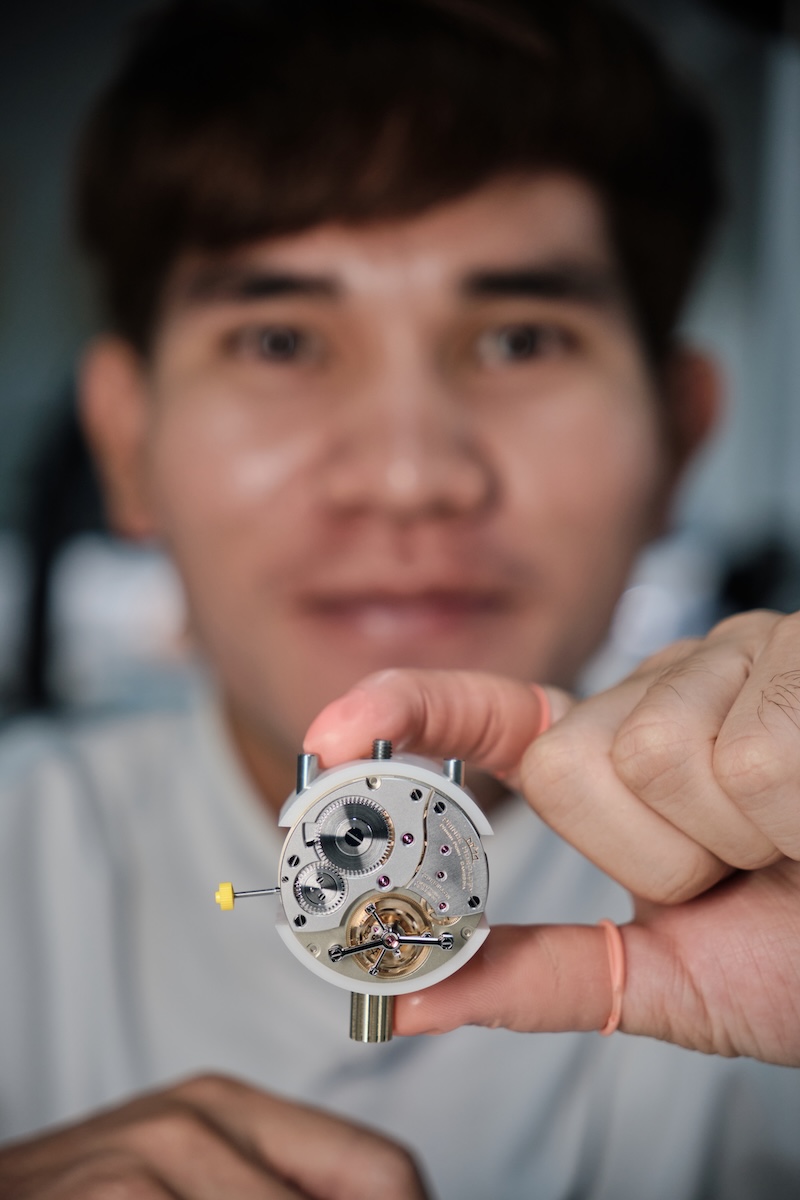
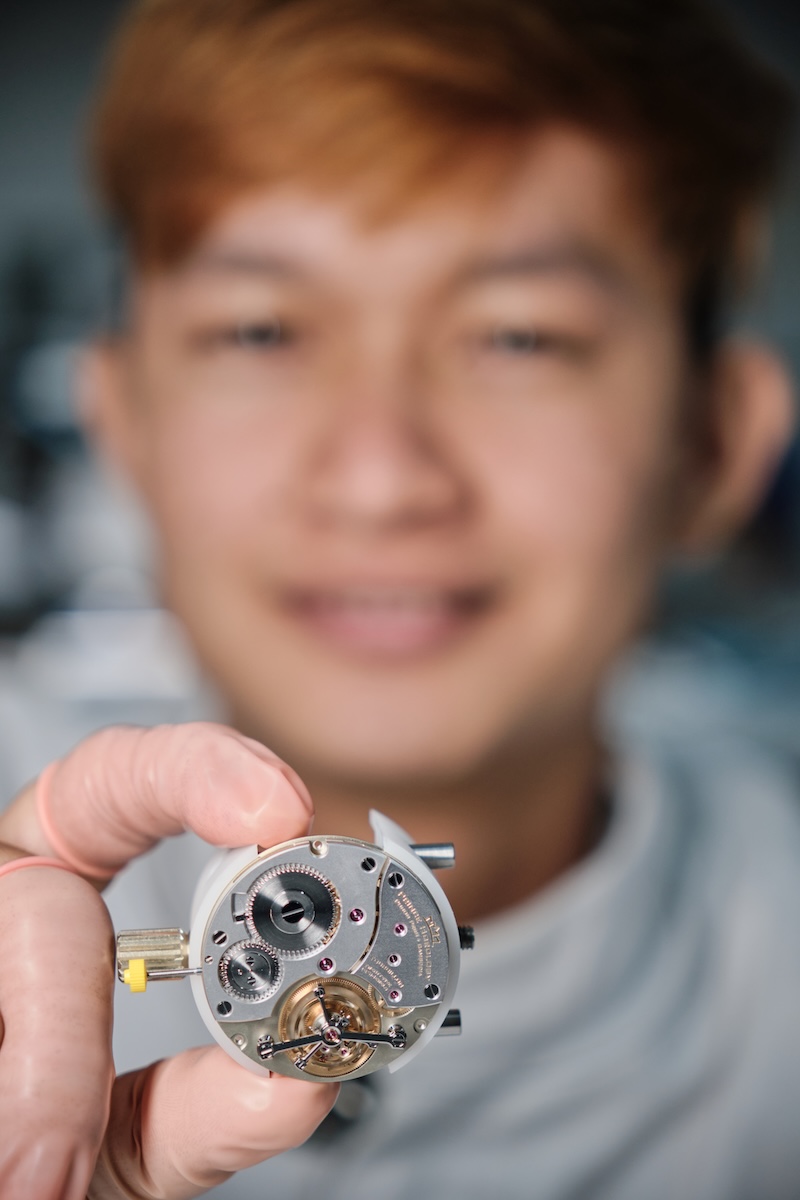
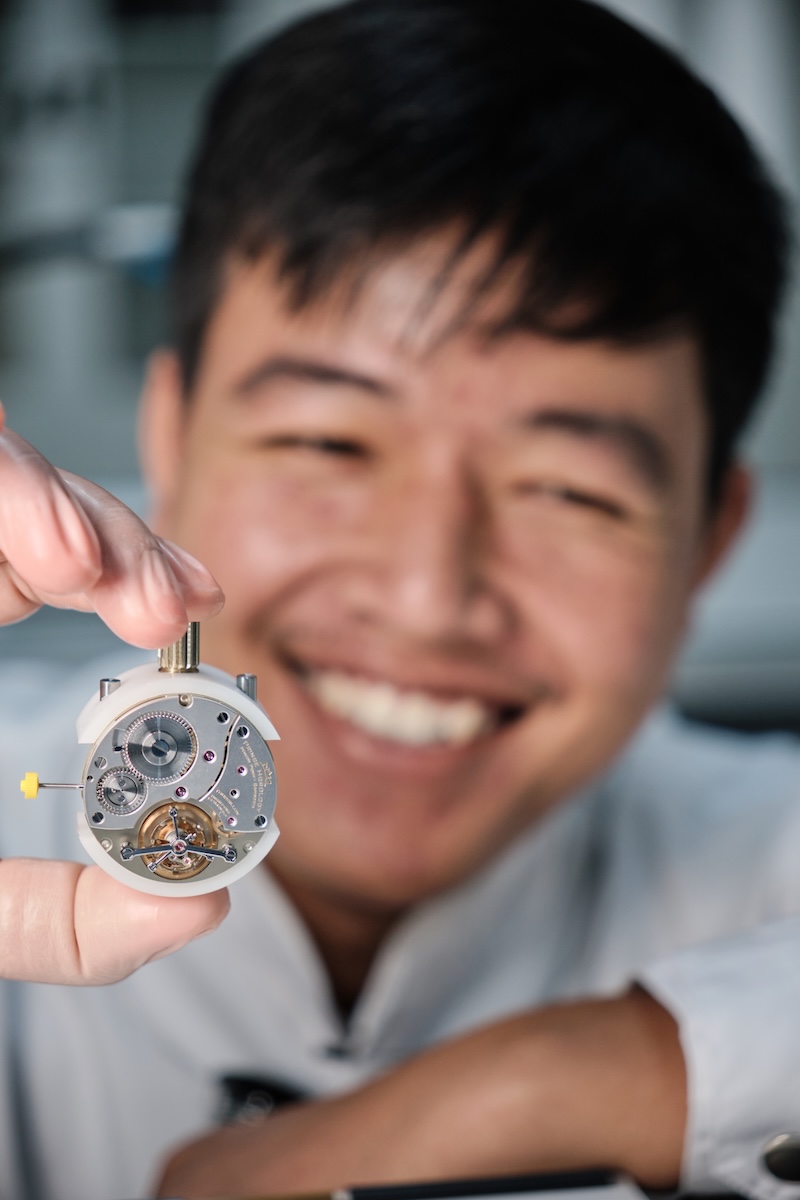
Cambodia - An Extraordinary Adventure In Horology
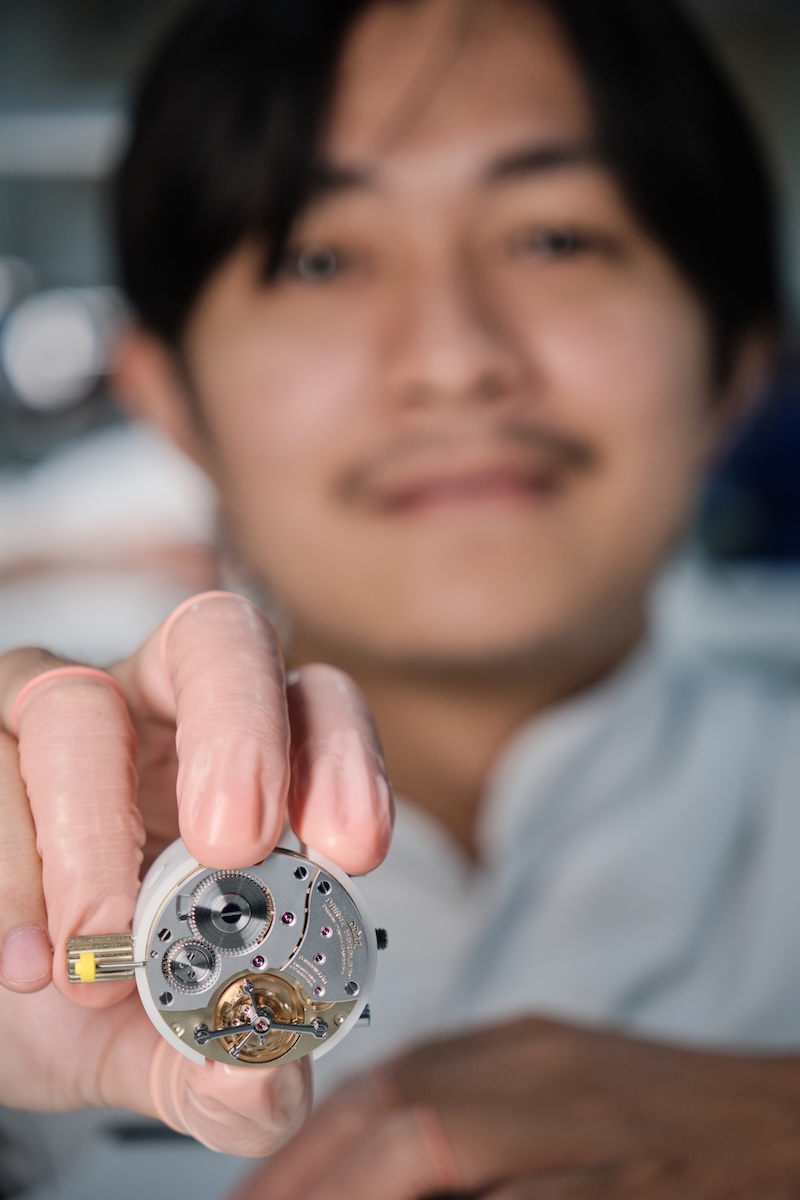
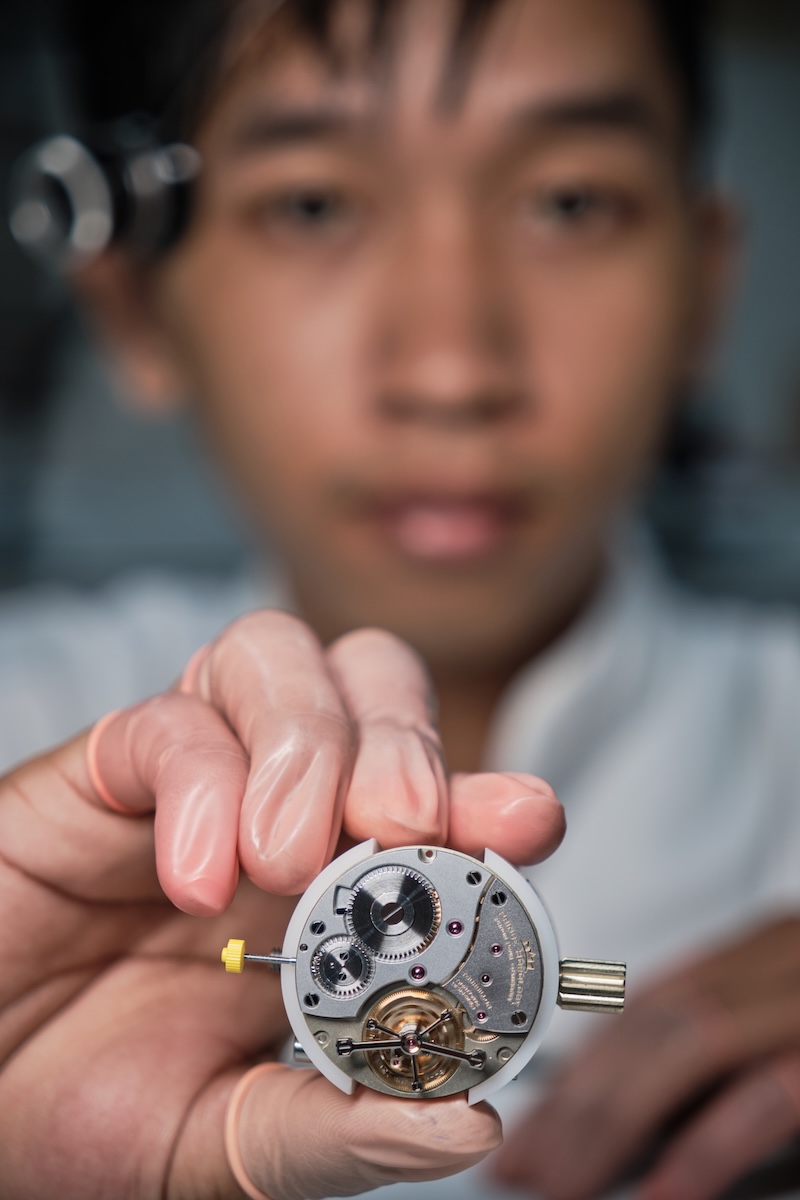
Local students were provided full scholarships and world class watchmaking education in one of the best equipped watchmaking schools in the world. They were given the opportunity to enter a profession that was, for many of them, completely unknown but for some was already a burning passion.
The school attracted international attention even before its doors officially opened in 2020. The project was well documented in the press worldwide and curiosity brought many visitors to the training center from Government officials, the World Bank, the Red Cross, the Australian and Japanese Ambassadors, an American senator, Swiss government representatives and even renowned Swiss brands and the students, completely deserving of their interest were able to demonstrate their hard-earned watchmaking skills, on par with anywhere in the world and even to the envy of many.
Maarten and Jessica felt privileged to be entrusted with the aspirations of those who chose watchmaking as a career in such an unlikely setting, and with that came a responsibility to give them as much knowledge, skill and opportunity as possible.
The aim was never simply to teach them how to assemble or service watches, graduates would need a much broader range of skills for working in such an underserved region.
The Cambodian students were taught how to make, adjust, finish and truly understand this thing called watchmaking, some of them were also taken on as teachers assistants to ensure the longevity of the school as Maarten and Jessica would not stay forever.
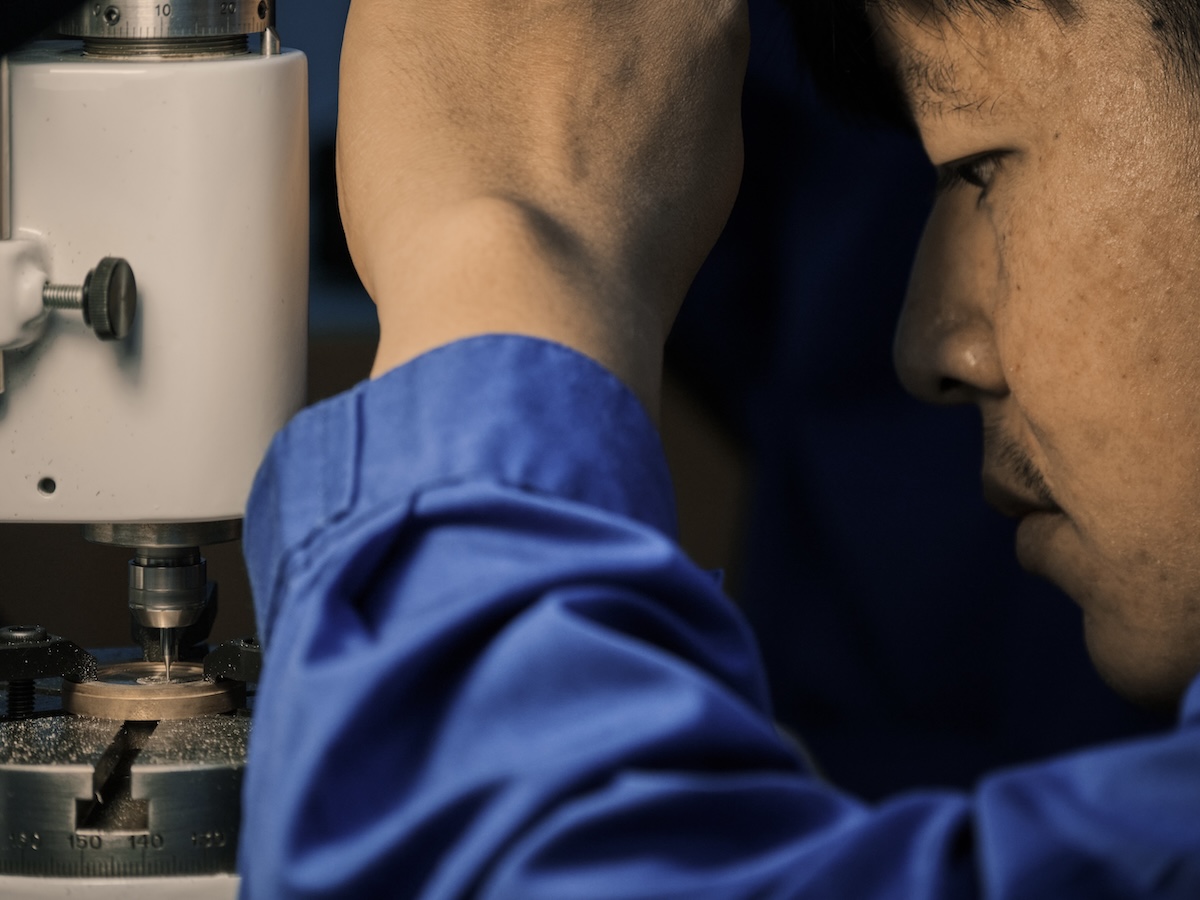
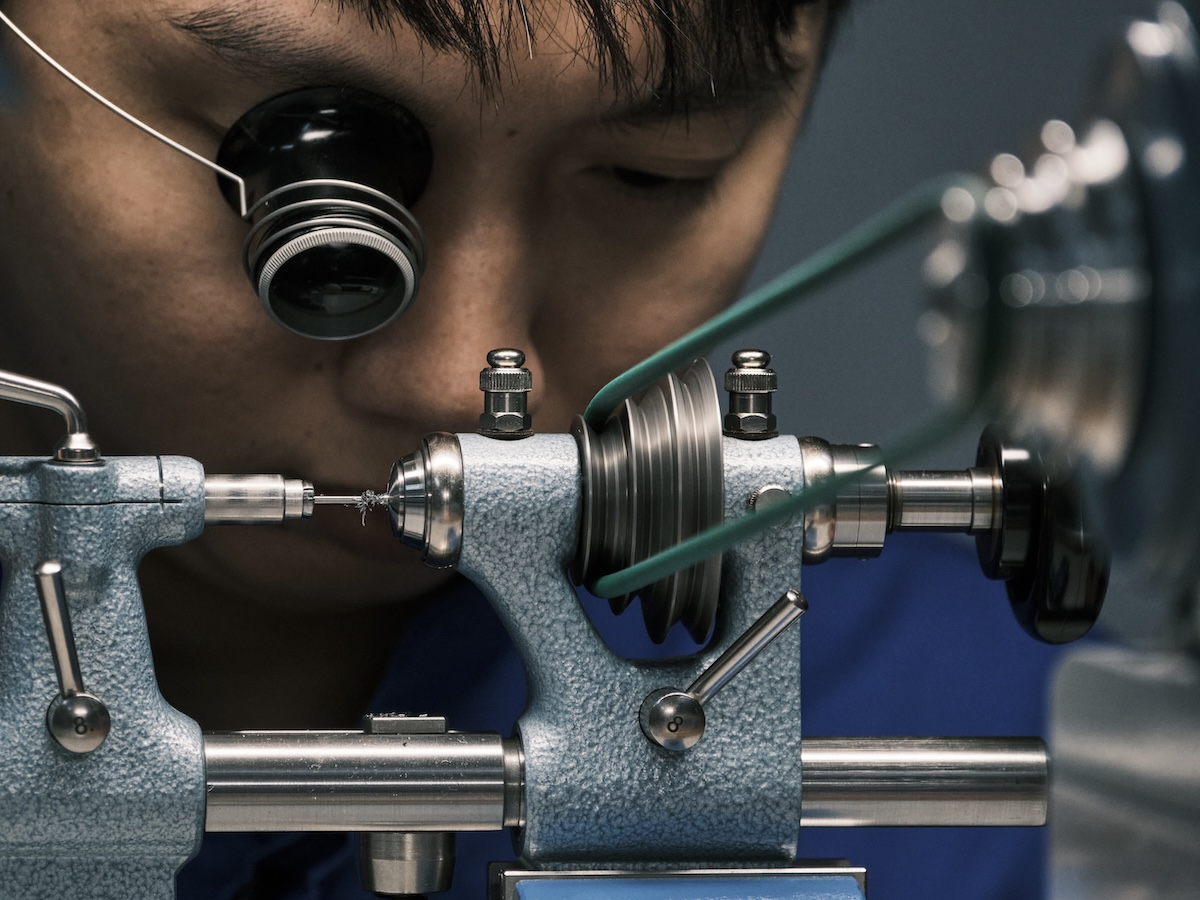
The students at Prince Horology were also given the opportunity to make their own watches. Differing from the standardised W-01 school watch project that Maarten oversaw at WOSTEP, the Khmer students designed, milled from raw stock and finished their own bridges, they cut their own gears and pinions, burnished their pivots and some of them even designed and made their own hands and dials also from raw materials. An impressive progression from starting out in a country with little to no culture of Swiss precision to mastering highly advanced skills and machines that many watchmaking students never get the chance to encounter.
With the success and momentum of the project, the decision was made to bring the T2-03 tourbillon into the Cambodian project. Maarten and Jessica agreed to produce thirty pieces in total. Fifteen pieces for training and fifteen highly finished pieces as a limited series to raise money for the school. A unique training experience on a Swiss made tourbillon, only available to the students in Cambodia at that time, paired with a substantial piece to fund the school and raise its reputation as a competence centre of watchmaking excellence.
And there an already intriguing story, grows into an epic…

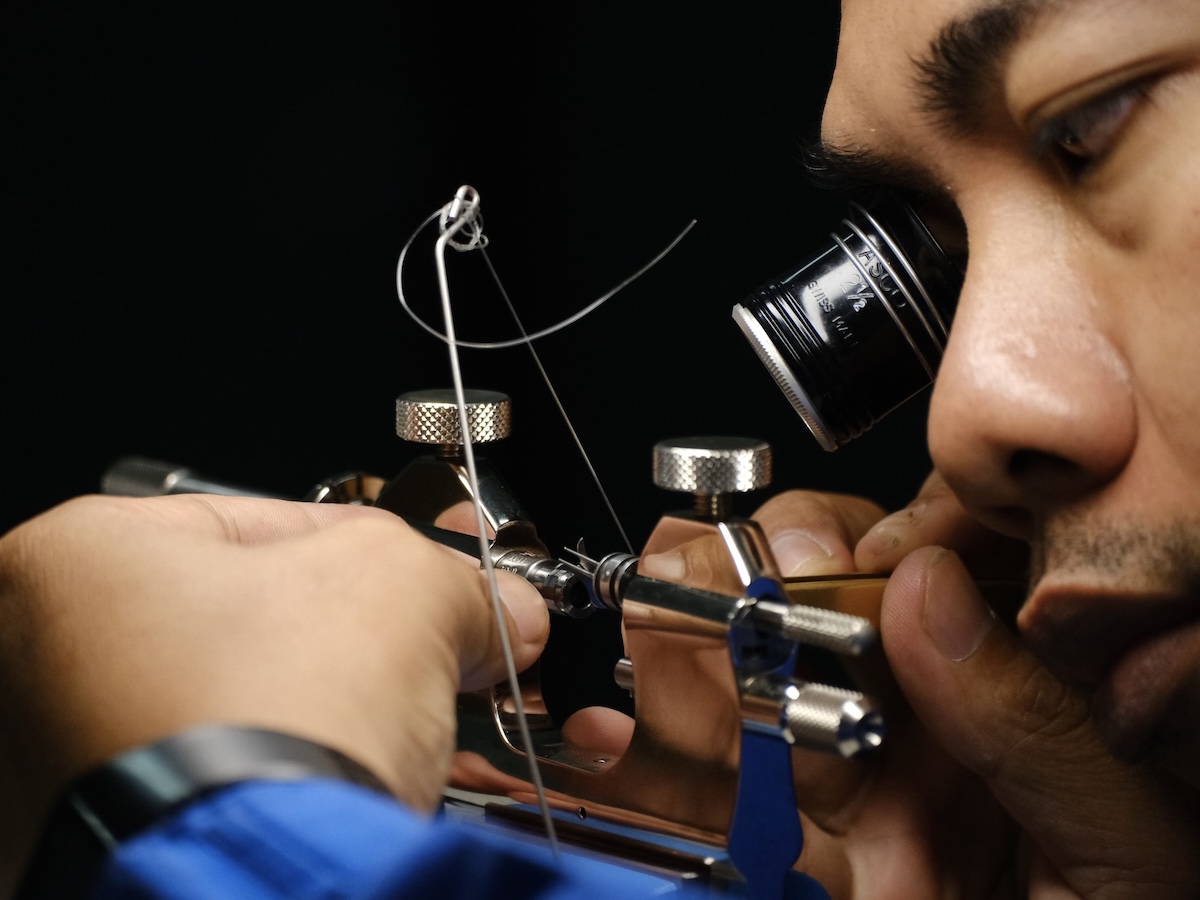
The ASEAN Lotus Tourbillon Project
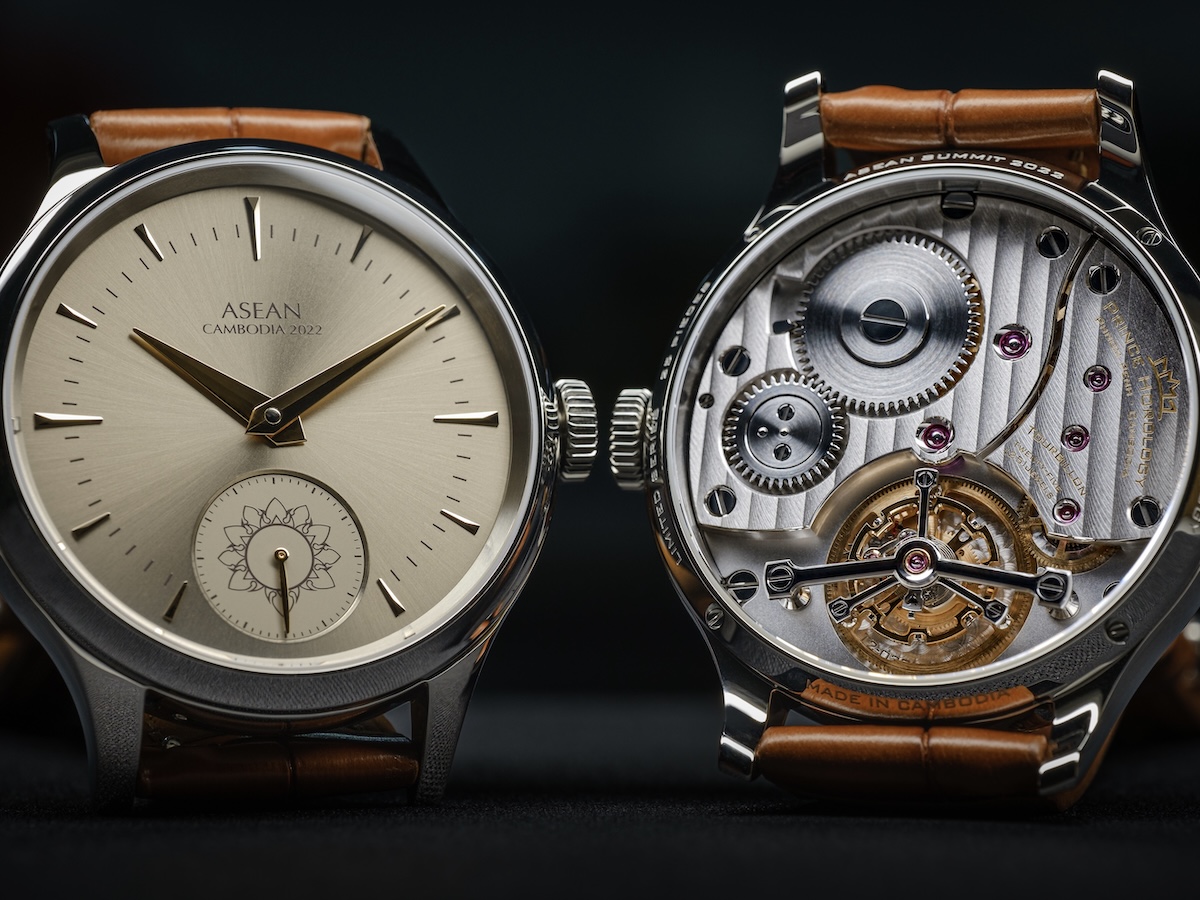
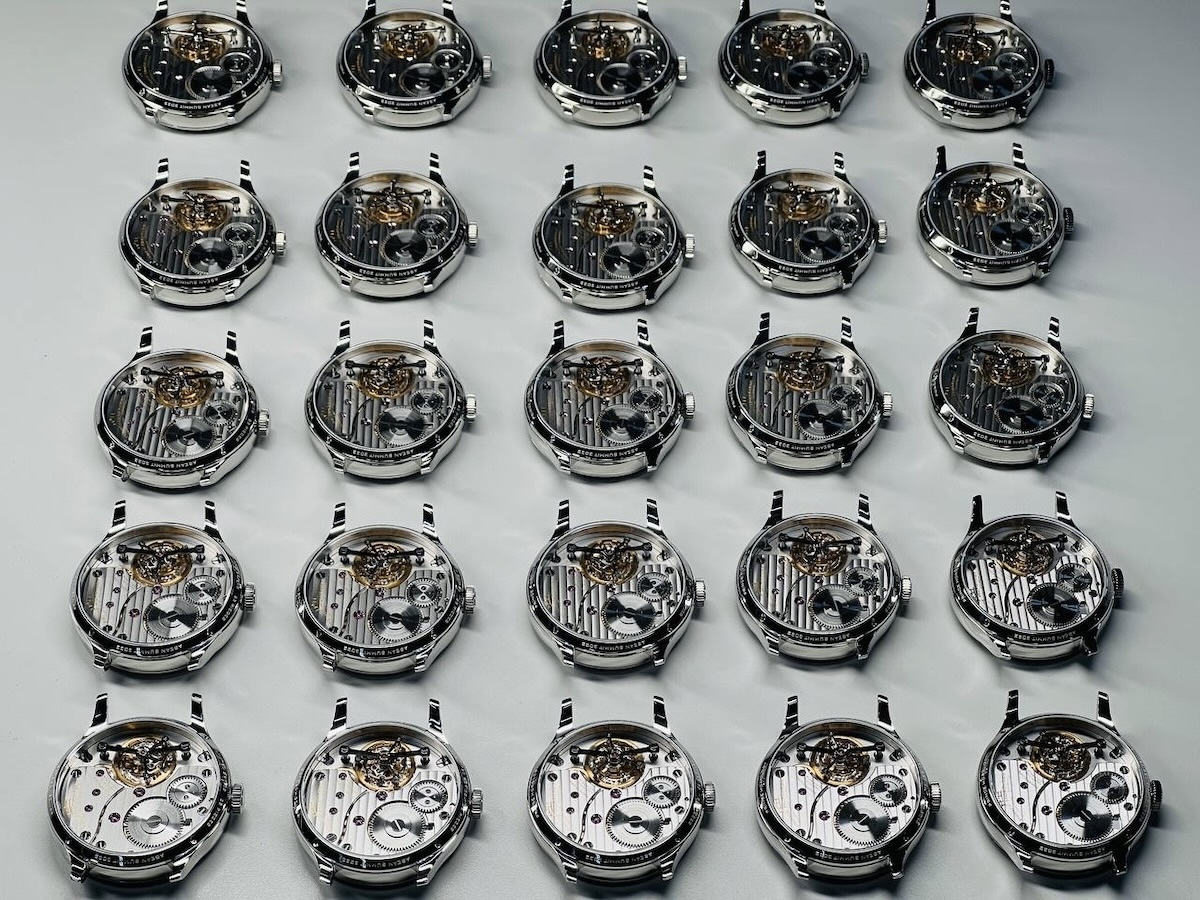
In mid 2021, what began as a limited training project for their students grew into something much larger. Upon request of the Cambodian Prime Minister, the T2-03 calibre was to be adapted as the basis for the ASEAN Lotus Tourbillon. As time2, Maarten and Jessica were commissioned to create twenty-five Lotus Tourbillons as gifts for world leaders attending the ASEAN summit in 2022, all pieces were serial numbered and engraved T2-03S.
Maarten and Jessica agreed to the use of their calibre and to the creation of the piece for two reasons, to highlight the achievements of the Cambodian nation that they had quickly fallen in love with and to raise awareness of the school, as such the graduates would find employment on an international stage and face less resistance due to the unusual nature of being a watchmaker certified from a watchmaking school in Cambodia.
The ASEAN Lotus Tourbillon was indeed a remarkable project, but for Maarten and Jessica its greatest significance was never the attention it received for its technical acheivements or its’ aesthetic beauty.
It was the opportunity to see an educational concept become something tangible on a grand scale in promotion of the pioneering spirit of Cambodia’s first Swiss trained watchmakers.
The timepieces themselves were ambassadors for the school, for Cambodian skill and for the students and graduates as they stepped out into the world as certified watchmakers.
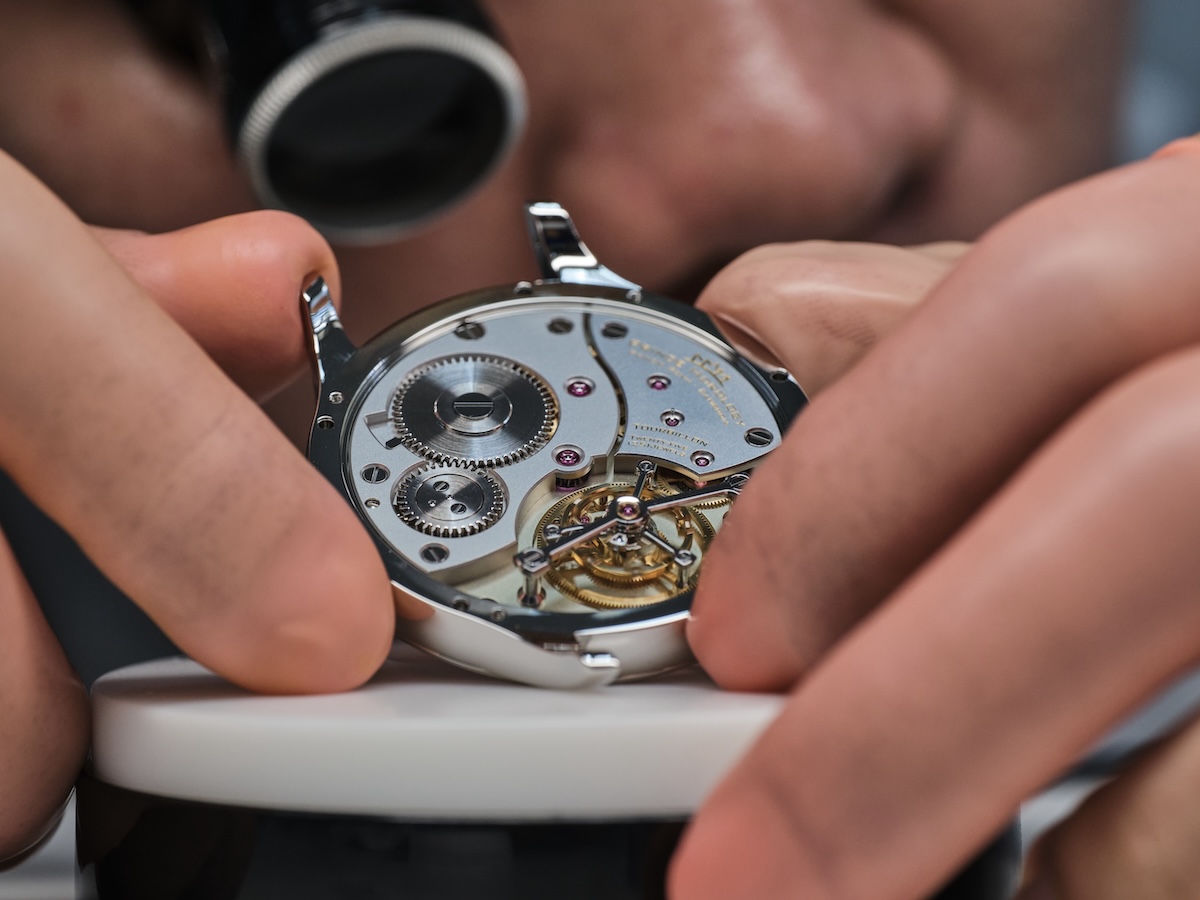
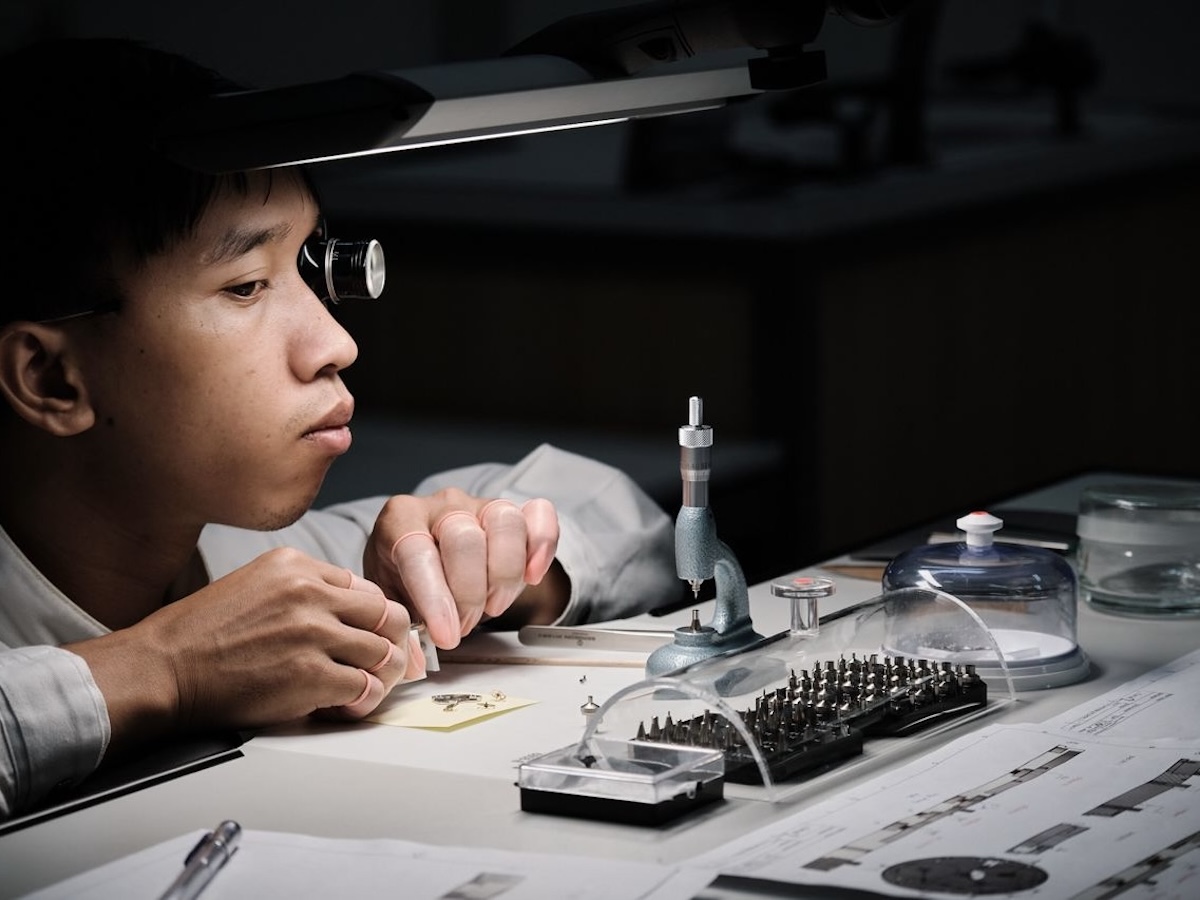
Aside from the straps from Delugs in Singapore, the ASEAN Lotus Tourbillon was completely manufactured and finished in Switzerland. The movements were assembled piece by piece in what is now Atelier Pieters in Les Hauts-Geneveys. The cases, hands and dials were also produced in Switzerland. The final encasing and final testing of the watches was undertaken at the school in Cambodia by Maarten Pieters and then instructor, Stéphane Monard.
The time2 T2-03 calibre of Maarten and Jessica was deeply connected to Cambodia through its purpose, its students and the beautiful story of Swiss tradition taking root in such an unlikely setting. The first expression of their in-house tourbillon calibre being celebrated worldwide and where it became a true platform for the tradition and skill passed on that it was always intended to be.
Our Philosophy
Make time...
The better part of our careers have been deeply rooted in the classical education of watchmaking and the nurturing of future watchmakers. By perpetuating the culture, skills, and traditions of this timeless craft, we have helped aspiring watchmakers achieve their technical dreams, both in Switzerland and around the world. Atelier Pieters is the pursuit of our own dreams, to take our time now to make time. It is a reflection of our technical expertise and an avenue for sharing our life’s work in watchmaking.
Each piece we create testifies to our commitment to time-and-skill-intensive quality and expresses our preference for horology as an experience rather than solely producing desired objects. Discovering, wearing and observing our timepieces echoes the anticipation and enthusiasm that we experience as they are conceived and made, by us, piece-by-piece.
“TIME DEVOTED TO CREATING AND TIME WILLINGLY SHARED.”
Maintaining lasting, privileged relationships with our collectors is at the heart of our ethos.
To preserve the uncompromising standards of our craftsmanship and to ensure the highest level of personal and efficient service, our annual production is intentionally limited to four pieces, per year.
As a reflection of our commitment to enduring quality and the longevity of every timepiece we create, we accompany each watch with a lifetime service commitment.


Our Atelier
Where Time Takes Shape
Atelier Pieters is located in the Chalet des Gollières, on the edge of a forest in the foothills of the Neuchâtel Jura mountains. The chalet was built by the Association des Sociétés des Neuchâtelois hors Canton (ASNHC), an organisation for Neuchâtel expatriates who wished to preserve their bond with their home-canton and to nurture their “Neuchâtel spirit.”
Situated in Les Hauts-Geneveys, the Chalet des Gollières was a haven for the Neuchâtelois to return, reunite, and celebrate their cultural heritage. It is only fitting that this place, once dedicated to preserving identity and tradition, is now home to Atelier Pieters and the culture of fine watchmaking, a craft deeply rooted in the canton of Neuchâtel since the 17th century.
Today, the first two floors of our four-storey chalet house Atelier Pieters, a modest machining workshop (equipped with manually operated, conventional machines only), an intimate finishing and assembly workshop, and our office. The remaining spaces form our family home, blending life and craft under one roof.
On our premises we have two 24/7 security guards; Bélla (Bernese mountain dog) and Arley (Cavalier King-Charles spaniel). They assist us with front of house and guest welcome services.
“IT IS HARD TO TELL WHETHER OUR ATELIER IS IN OUR HOME OR OUR HOME IS IN OUR ATELIER.”
